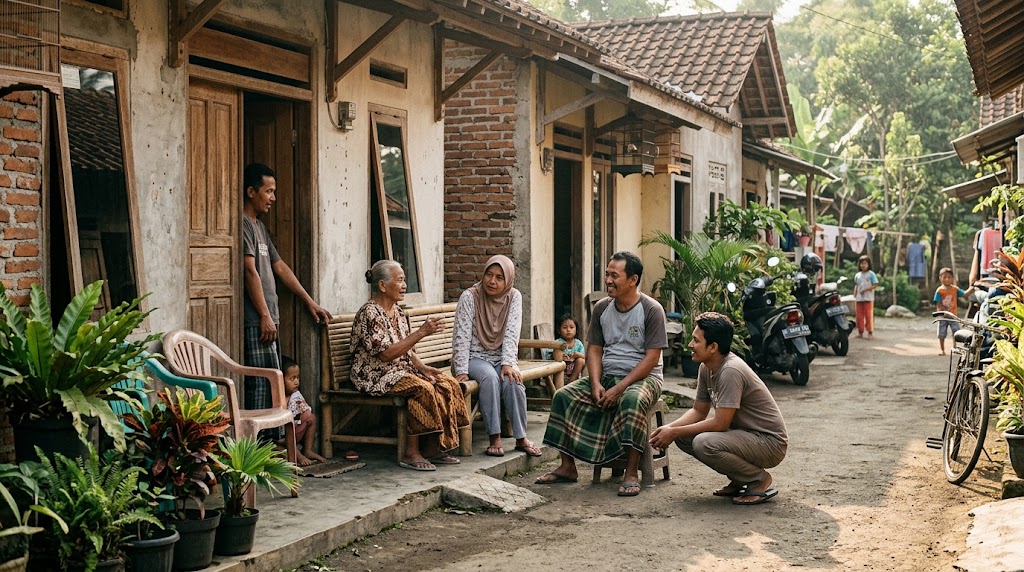
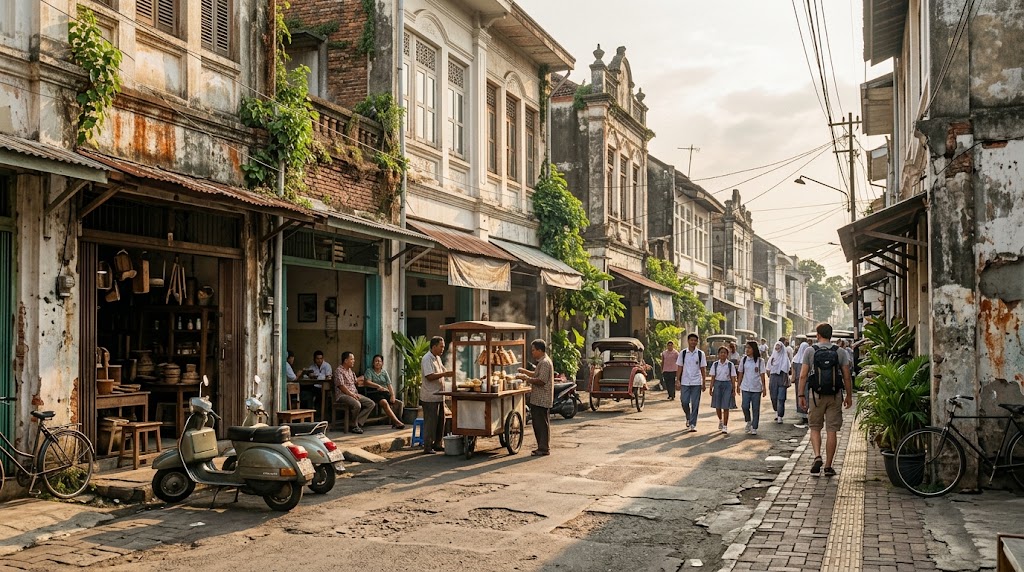
Historic places hold more than old walls, faded photographs, and architectural details. They preserve memories of people who lived through important changes, built thriving communities, and shaped the identity of their surroundings. Behind every historic street or heritage building, there is often a story that deserves a closer look.
Across Indonesia and beyond, these places connect the present with the past. A former trading district may reveal how different cultures met, while an old railway station can tell stories of migration, industry, and changing lifestyles. Exploring these locations helps us understand history through the places where it unfolded.
1. Historic Streets Reveal How Communities Grew
Old streets often provide clues about how a town or city developed. Their layouts, building styles, and former business districts can reflect earlier patterns of trade, transportation, and settlement.
In many Indonesian cities, historic neighborhoods grew around ports, markets, administrative centers, or railway connections. Merchants, craftspeople, and families established businesses and homes along busy routes, creating communities that evolved over generations.
Some streets retain traditional shopfronts and narrow walkways, while others have undergone major changes. Even when modern buildings replace older structures, street names and local memories may preserve traces of the past.
Walking through a historic district becomes more meaningful when visitors look beyond its appearance and ask how people once used the space.
2. Heritage Buildings Carry Stories of Their Time
Historic buildings reveal how people lived, worked, and expressed their values. Their materials, architectural features, and interior layouts can reflect the technology and social conditions of the period in which builders constructed them.
An old railway station, for example, may demonstrate how transportation connected distant communities. A former government building can reveal aspects of administration, while an old residence may show how families adapted architectural styles to local climates.
In Indonesia, colonial-era structures, traditional houses, and historic religious buildings each represent different experiences and cultural influences. However, their significance depends on more than their age or appearance.
Researchers, residents, and preservation groups help explain the people associated with these places and the events that shaped their history.
3. Markets Preserve Everyday History
Traditional markets often serve as living records of local life. For generations, sellers and buyers have exchanged goods, shared news, and maintained relationships in these busy spaces.
Some markets developed near rivers, ports, or major roads because these locations made transportation easier. Over time, they became important centers for commerce and social interaction.
Their history often survives through familiar food stalls, traditional products, and family businesses that continue to operate in the same area. Conversations with longtime vendors can also reveal how prices, products, and customer habits have changed.
Although modernization may alter market buildings and facilities, preserving their social character helps communities maintain a connection with their heritage.
4. Historic Places Reflect Cultural Encounters
Many historic locations developed through contact between different communities. Trade, migration, religious exchange, and political change brought people together and influenced local architecture, food, language, and customs.
Old port cities offer particularly clear examples. Merchants from different regions exchanged products and ideas, while residents adapted outside influences to local traditions.
These encounters did not always produce simple or peaceful outcomes. Some places also carry memories of conflict, inequality, displacement, and colonial rule. Understanding these complexities makes historical interpretation more accurate.
Rather than presenting a single version of the past, thoughtful storytelling considers different perspectives and recognizes the experiences of the people who lived through those changes.
5. Forgotten Places Can Reveal Important Stories
Not every historically significant place attracts large crowds. An abandoned railway platform, an old industrial site, or a neglected community building may hold valuable information about a region’s development.
Such places can reveal how industries expanded, why settlements moved, or how new transportation routes changed local economies. They may also preserve memories of workers and families whose contributions rarely appear in prominent historical accounts.
However, researchers should verify local stories through reliable documents, photographs, archives, and interviews whenever possible. A compelling legend may reflect community identity, but it should not automatically count as established historical fact.
Responsible exploration also means respecting private property, safety restrictions, and the condition of fragile structures.
6. Local Communities Keep Heritage Alive
Historic places survive not only through physical preservation but also through community involvement. Residents often maintain traditional practices, organize cultural events, share oral histories, and encourage younger generations to understand their surroundings.
Local historians and volunteers may collect photographs, record interviews, or document changes to historic buildings. These efforts help preserve information that official records might overlook.
Tourism can also support conservation when visitors respect local customs and contribute to responsible businesses. Nevertheless, excessive commercialization may weaken a place’s character or make everyday life more difficult for residents.
Successful heritage preservation therefore balances public access, economic opportunities, and the needs of the communities that give historic places their meaning.
7. How to Explore Historic Places More Meaningfully
Visitors can discover deeper stories by preparing before a trip and paying attention to details that casual sightseeing might miss.
Consider these practical steps:
- Research the location: Read reliable historical sources before visiting.
- Look for original features: Notice building materials, inscriptions, street layouts, and architectural details.
- Talk with local residents: Ask respectful questions about memories and traditions.
- Visit local museums: Exhibitions and archival photographs can provide useful context.
- Follow preservation rules: Avoid touching fragile objects or entering restricted areas.
- Support local initiatives: Choose responsible guides, museums, and community businesses when possible.
These habits turn a simple visit into an opportunity to understand the people and events behind a location.
Conclusion
The stories behind historic places reveal how communities grow, cultures interact, and everyday lives shape the wider course of history. Streets, markets, heritage buildings, and overlooked structures can all offer valuable insights when people examine them with curiosity and care.
By listening to local voices, checking historical evidence, and supporting preservation efforts, we help keep these stories alive for future generations.
FAQ
Why are historic places important?
Historic places preserve evidence of past events, architectural traditions, and community experiences. They help people understand how societies developed over time.
What can old buildings tell us about history?
Their design, materials, and former uses can reveal information about technology, social conditions, cultural influences, and everyday life.
How can local communities preserve historic places?
Communities can document oral histories, maintain traditional practices, support conservation projects, and educate younger generations about local heritage.
How can visitors respect historic places?
Visitors should follow site rules, protect fragile structures, respect residents, avoid damaging artifacts, and learn about the location before exploring it.