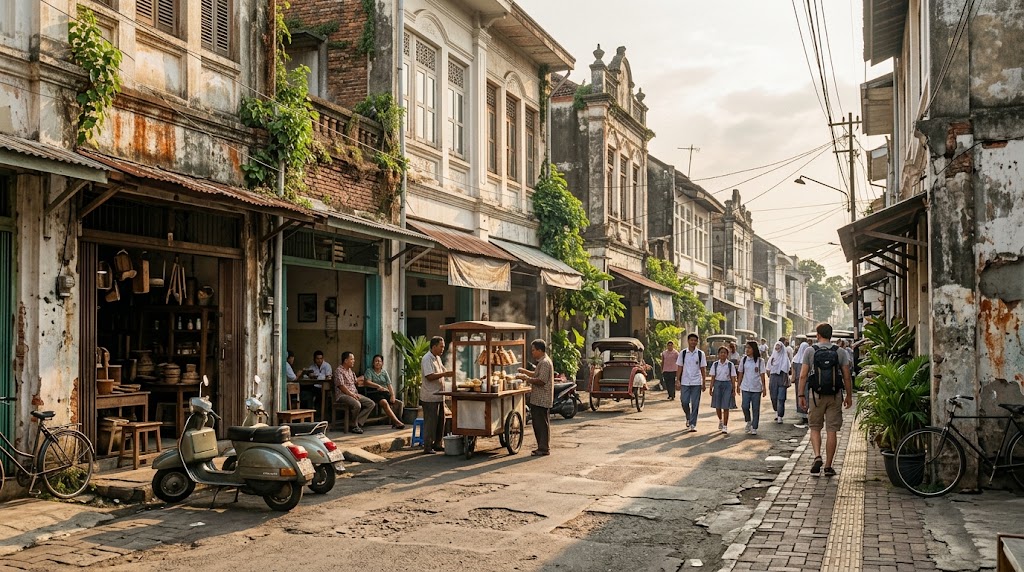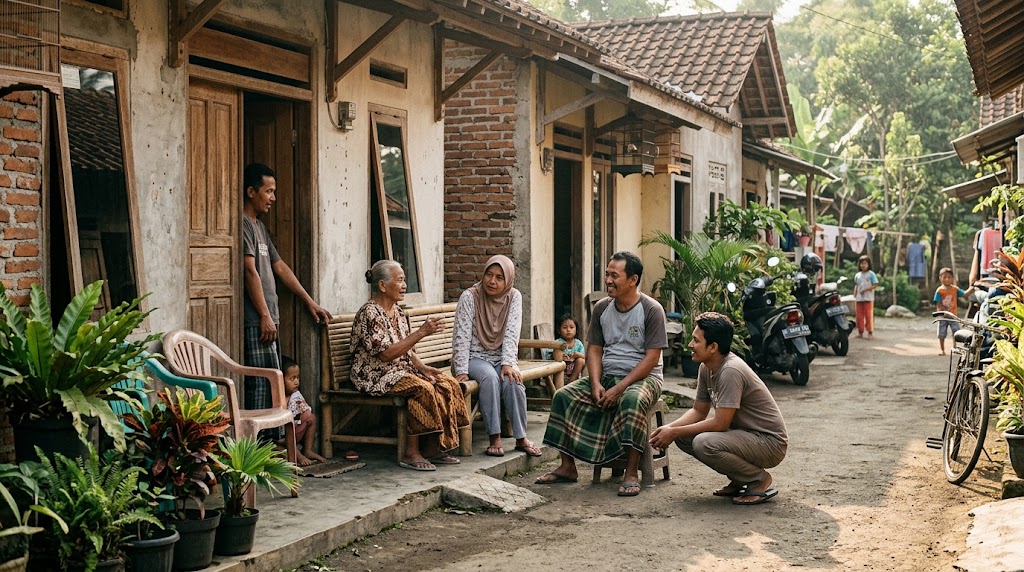
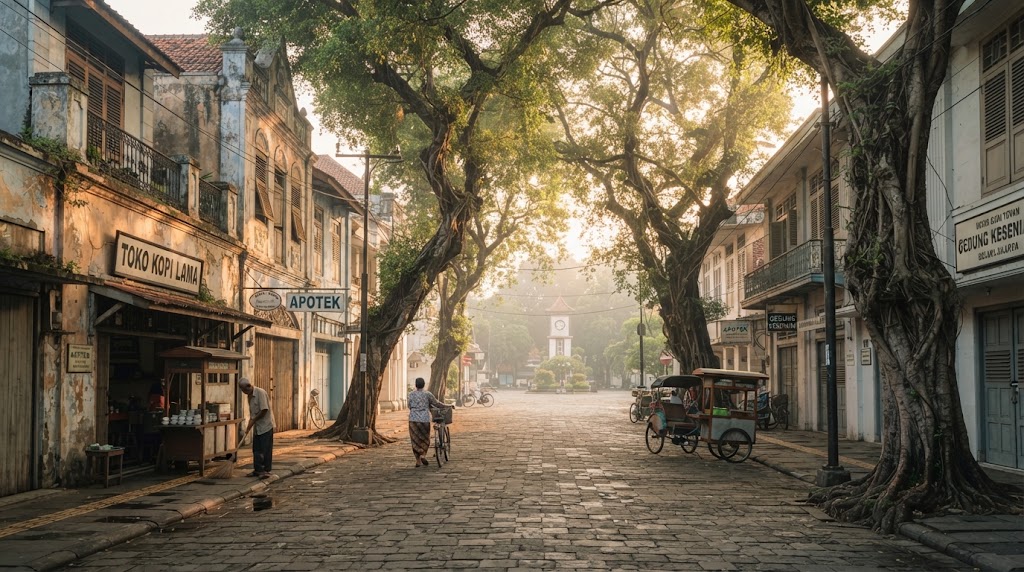
Travelers exploring the vast Indonesian archipelago often flock to world-famous destinations like Bali, Yogyakarta, or ancient Borobudur temple. Beyond these bustling tourist hubs lie countless sleepy local towns and remote settlements harboring profound historical secrets waiting to be uncovered. Frequently, modern visitors overlook these quiet rural enclaves because their glorious pasts became buried beneath decades of jungle growth and economic shifts. Nevertheless, walking through the ancient streets of these small towns opens chapters of the past filled with colonial intrigue, spice trade, and local heroism. Therefore, you need to explore these hidden historical stories from forgotten local towns across the region.
This comprehensive guide delves deeply into hidden historical records from remote corners rarely highlighted by mainstream media. In addition, we outline physical artifacts and local narratives documenting past dynamics authentically. Let us analyze these forgotten historical stories in detail below.
1. Sawahlunto: The Underground Coal Mining Empire of West Sumatra
Hidden inside a steep valley of the Bukit Barisan Mountains, Sawahlunto holds a magnificent history as one of the largest coal mining centers in Southeast Asia during the Dutch colonial era. This small town once served as a global economic magnet before fading when fossil energy reserves declined.
- Silent Historical Witnesses: The underground mine tunnel complex known as Lubang Tambang Mbah Soero and old railway tracks stand as silent evidence of colonial exploitation involving forced laborers.
- Cultural Heritage: The Ombilin coal mining area is now recognized as a UNESCO World Heritage Site due to its unique industrial colonial architecture.
Exploring the dark corridors of this former mine provides a profound emotional experience regarding the struggles of past laborers. Furthermore, the old town layout of Sawahlunto preserves the authentic aesthetic of vintage architecture exceptionally well.
2. Banda Neira: The Remote Spice Islands That Shaped Global Trade
The Banda Islands in Central Maluku appear peaceful and remote on modern world maps, yet this tiny island once served as the focal point of global geopolitical rivalry centuries ago. The value of nutmeg (myristica fragrans), which exclusively grew on this island, made Banda more valuable than Manhattan Island in New York.
- Colonial Drama: Magnificent defensive fortresses like Fort Belgica and the exile house of national figure Bung Hatta stand proudly as colonial historical monuments.
- Global Trading Hub: Portuguese, British, and Dutch forces fought bloody wars to monopolize the trade of this high-value spice.
Witnessing the underwater beauty of Banda Neira blends seamlessly with old colonial ruins laden with past human tragedies. In addition, the warmth of local residents welcomes travelers with rich oral traditions passed down through generations.
3. Singkawang Old Town: The Hakka Chinese Heritage in West Kalimantan
The coastal region of Singkawang is not only famous as the city of a thousand temples, but it also preserves a remarkable historical narrative of Hakka Chinese migration. The first wave of immigrants arrived here during the eighteenth century to manage traditional gold mines under local sultan permission.
- Architectural Traces: Rows of ancient shophouses made of genuine teak wood in the old town center maintain a rare classical Chinese architectural style.
- Cultural Harmony: Cultural assimilation among Chinese, Malay, and Dayak communities creates unique traditions like the globally renowned Cap Go Meh celebration.
Walking through the narrow alleys of Singkawang feels like turning the clock back to the golden era of past archipelago gold merchants. Moreover, the rich Peranakan culinary heritage in this town offers a historically evocative taste experience.
4. Kotagede: The Ancient Mataram Kingdom Capital Hidden in Plain Sight
Located south of Yogyakarta city, the Kotagede district holds a majestic history as the first capital of the Islamic Mataram Sultanate in the sixteenth century. Behind the bustling modern silver industry, this area preserves a maze of narrow alleys featuring exotic Javanese-Hindu architecture.
- Royal Relics: The Mataram royal cemetery complex and remnants of ancient red brick fortifications serve as silent witnesses to the grandeur of the ruling Javanese dynasty.
- Silversmithing Tradition: The multi-generational skill of local residents in crafting filigree silver jewelry has been passed down through royal generations.
Walking through the ancient village of Kotagede allows you to experience the tranquil atmosphere of classical Javanese life far away from big city noise. Furthermore, the friendliness of local residents enriches your historical insight.
5. Ruteng and the Megalithic Flores Civilization in Nusa Tenggara
The Ruteng sub-district in the interior of Manggarai, Flores, hides prehistoric historical sites consisting of megalithic traditional villages that still maintain ancient ancestral traditions. Amidst spider-web shaped rice fields (cancak), secrets of an ancient civilization remain preserved.
- Traditional Sites: Traditional villages display conical traditional houses known as Mbaru Niang.
- Ancestral Values: Communal land ownership systems and deep respect for ancestral spirits are strictly maintained by local traditional elders.
Directly witnessing the local wisdom of the Manggarai community provides a new perspective on the preservation of unwritten history living within the archipelago. In addition, foggy mountain landscapes enhance the mystical majesty of this place.
Essential Tips for Exploring Forgotten Historical Towns
Exploring forgotten historical small towns requires careful preparation and a profound attitude of respecting local cultural heritage:
- Hire Local Guides: You are encouraged to hire local tour guides to uncover oral stories unwritten in formal history books.
- Preserve Environmental Sustainability: You must respect cultural heritage sites by avoiding artifact damage or littering in historical areas.
- Support Citizen Economies: You can purchase local handicraft products or enjoy traditional culinary dishes to support the local community economy.
Conclusion
Uncovering hidden historical stories from forgotten local towns broadens our understanding that archipelago history is far vaster and richer than school textbooks suggest. Ranging from Sawahlunto coal mines, Banda Neira’s nutmeg glory, Singkawang Hakka heritage, Kotagede’s Mataram legacy, to Ruteng megalithic traditions, every town preserves its own soul. You can plan your next cultural exploration journey to these hidden towns to respond to the call of the past. Maintain your curiosity and discover the majestic secrets sleeping in the quiet corners of the archipelago.