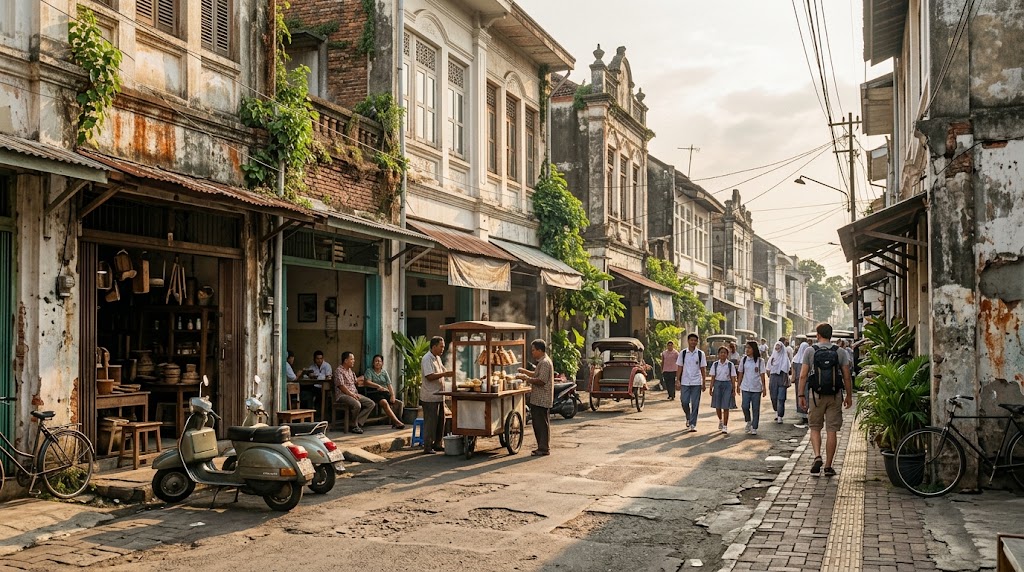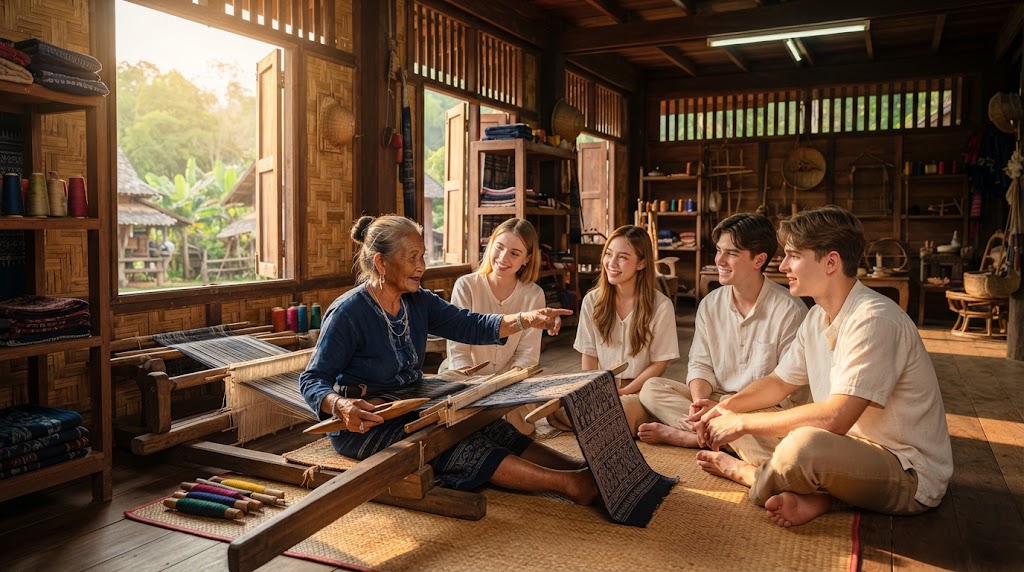
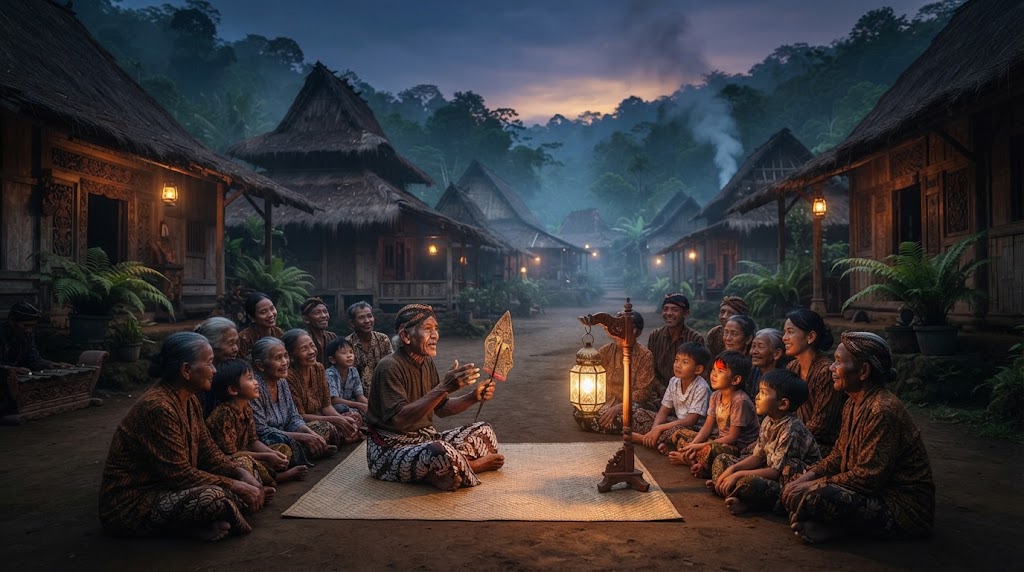
You can easily escape the monotony of modern daily routines by exploring the rich tapestry of spooky regional folklore and traditional community myths. Therefore, let us embrace deep insights through a comprehensive review of Indonesian urban legends that guarantees engaging cultural exploration, historical preservation, and timeless mystery. You can effortlessly recognize various standard elements of archipelago ghost stories with ease. Uncovering indigenous legends certainly requires you to examine ancestral origins, respect local traditions, and preserve oral history.
In addition, you must master the art of listening to village elders, understand the underlying moral lessons, and protect cultural artifacts independently. Furthermore, you can connect deeply with the mystical roots of diverse societies across the islands. Ultimately, you are able to appreciate the profound folklore that shapes our regional identity. This article explores a comprehensive review of traditional ghost story preservation. The author also discusses the cultural significance of ancient haunted village legends. Besides that, you can also practice tips on how to document regional folklore effectively. Let us dissect these essential pillars below.
1. Examining Ancestral Origins and the Importance of Regional Mythologies
You can begin your cultural exploration by recording authentic ghost narratives directly from community elders who hold centuries of historical folklore wisdom. Consequently, you will protect precious indigenous mythology from fading into complete oblivion. The process of cross-referencing historical archives also demands high precision to ensure narrative accuracy. Above all, you must respect the sacred boundaries of each community’s unique cultural customs.
- Document Folktales Using Digital Audio Recorders: You should record oral accounts carefully to preserve authentic native dialects and expressions. By doing so, future generations can study genuine historical linguistics.
- Keep a Detailed Field Journal of Interviews: You can write down dates, names, and cultural notes in a dedicated research notebook. This organized documentation method simplifies future historical analysis.
Thoughtful documentation of ancestral origins certainly enhances the credibility of your cultural research. Therefore, the legacy of local communities remains vibrant and well-preserved.
2. Reviewing Regional Spooky Myths and the Benefits of Cultural Storytelling Festivals
You can witness firsthand how local cultural festivals bring ancient legends to life through traditional theater, music, and mystical performances. Furthermore, participating in these community events fosters a deep sense of belonging and mutual respect among diverse cultural groups. The vibrant atmosphere of traditional celebrations naturally sparks widespread public interest in regional history. On the other hand, you must avoid commercializing sacred tribal stories without proper community consent.
- Support Local Artisans and Traditional Storytellers: You need to purchase authentic handmade crafts directly from indigenous creators during cultural fairs. This economic support empowers local cultural custodians to maintain their traditions.
- Engage Younger Generations Through Interactive Workshops: You should encourage children to participate in storytelling sessions and traditional craft classes. Diligent educational outreach ensures cultural survival.
Appreciating regional myths and supporting community festivals perfectly refines your cultural exploration. Thus, traditional heritage continues to thrive in the modern era.
3. Analyzing the Impact of Modern Media on Folklore and Tips for Preservation
You can enhance your understanding of cultural evolution by reviewing how digital media platforms help distribute local stories to global audiences. Subsequently, you must ensure that modern adaptations remain respectful and faithful to the original community roots. This comprehensive analytical approach helps bridge the gap between ancient traditions and contemporary digital storytelling. Display a map of Indonesian islands near your study desk as well.
- Share Authentic Stories on Digital Platforms: You must publish well-researched cultural articles or podcasts using respectful and accurate descriptions. This strategic digital outreach educates a wider international audience.
- Collaborate Directly with Indigenous Cultural Councils: You can partner with local community leaders to get official approval before sharing their traditional stories. Rigorous ethical collaboration protects cultural integrity.
Deep analysis of digital media impact and preservation techniques completes your cultural journey. As a result, exploring local heritage brings immense intellectual and spiritual satisfaction.
Additional Tips for Exploring and Preserving Local Stories
You can optimize your cultural engagement journey through these practical steps:
- Respect Local Etiquette During Field Visits: You must always ask for permission before taking photographs or recording interviews in traditional villages. This mindful courtesy builds lasting trust.
- Read Literature from Regional Authors: You can explore novels and poetry written by local writers to understand the authentic emotional landscape of a community. Diligent reading enriches your cross-cultural empathy.
Conclusion
Exploration of diverse topics through the lens of Indonesian urban legends proves that by documenting oral traditions, participating in cultural festivals, and practicing ethical research, you can preserve invaluable human heritage. Thoughtful cultural engagement fosters global harmony and deep appreciation for our shared history. Let us start discovering inspiring regional legends today!