You can explore the rich tapestry of cultural traditions, ancestral customs, and inspiring narratives from various regions through deep engagement with local stories. Therefore, you must recognize the values of traditional wisdom that thrive within communities every single day. Although modern life moves at a rapid pace, generational tales passed down by village elders strengthen our collective identity. Thus, you should review this comprehensive summary of local stories.
This comprehensive article explores the importance of documenting folklore, the role of oral traditions, and methods for preserving ancestral heritage. The author also provides practical guidance so you can independently uncover regional narratives with profound appreciation. Let us examine the core pillars of local storytelling below.
1. Preserving Oral Traditions and Timeless Folklore
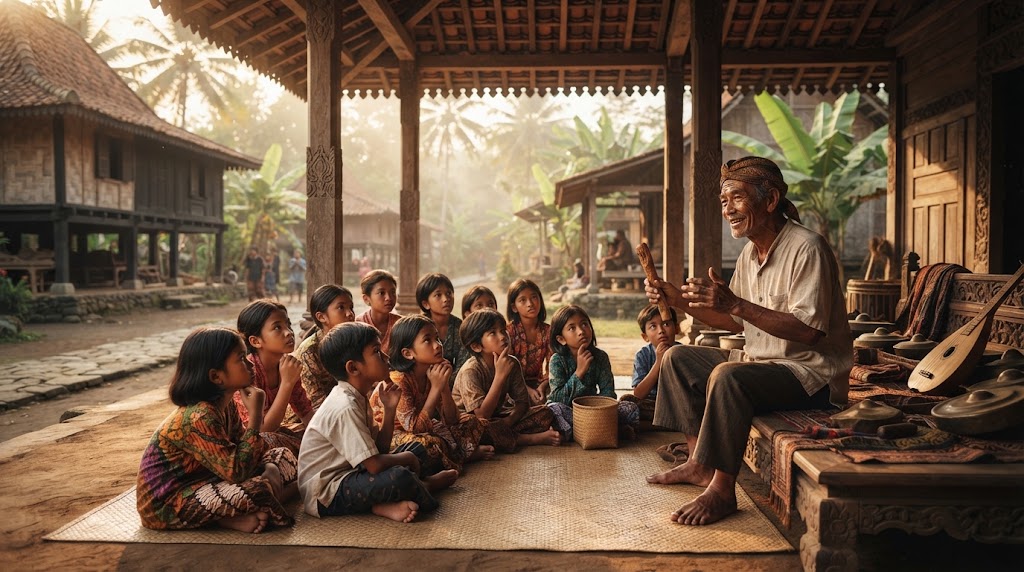
You can safeguard intangible heritage consisting of legends, myths, and historical tales handed down across multiple generations. In alignment with this goal, oral traditions capture moral values and worldview frameworks utilized by traditional societies in understanding nature.
- Listen to Tales from Village Elders: You can visit local communities to hear authentic accounts of regional history directly from senior residents.
- Record Moral Lessons Within Narratives: You must understand that every piece of folklore embeds noble teachings regarding respect for nature and fellow human beings.
Nevertheless, the fading of oral traditions threatens the loss of historical identity if younger generations fail to document them. Furthermore, written documentation plays a critical role in long-term cultural preservation.
2. Highlighting Inspiring Tales of Traditional Artisans
You can pay tribute to the local artists, craftsmen, and cultural guardians who dedicate their lives to maintaining traditional heritage in their hometowns. As evidence, their sincere commitment to preserving folk dances, gamelan music, or weaving arts demonstrates extraordinary devotion.
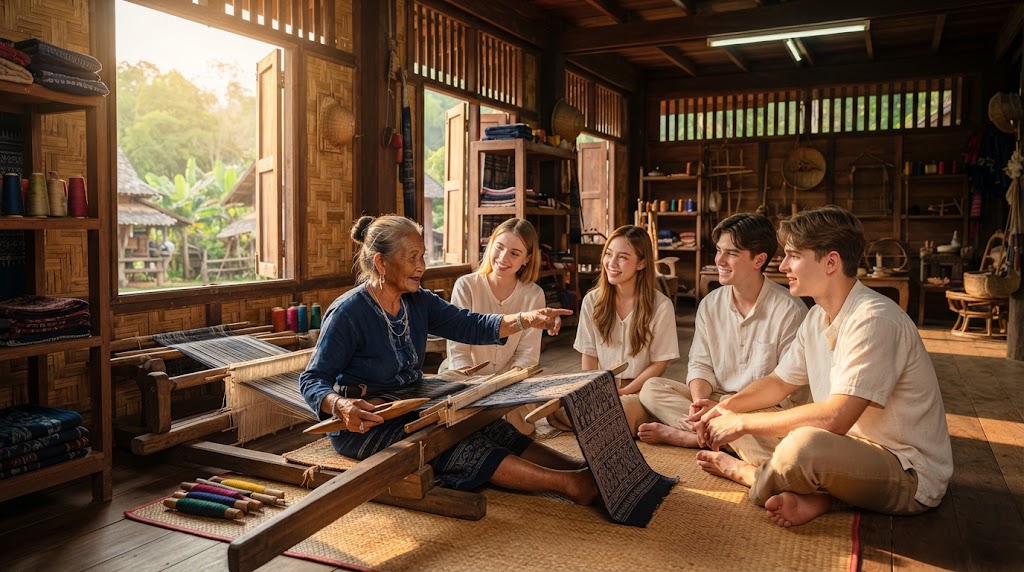
- Explore Craftsmanship Processes: You can observe firsthand how traditional weavers craft intricate textiles or carve detailed wooden motifs.
- Share Their Struggle Stories: You must broadcast the inspiring journeys of these local figures through written articles or digital media to reach wider audiences.
Additionally, genuine support for local artisanal products empowers indigenous economies on a sustainable basis. Consequently, ancestral heritage continues to thrive alongside modern technological advancements.
3. Embracing Indigenous Wisdom in Environmental Management
You can learn valuable lessons about environmental conservation from how indigenous communities treat ancestral forests, oceans, and lands. Anthropological studies demonstrate that traditional wisdom successfully maintains ecological balance without destroying nature.
- Understand Sacred Forest Concepts: You can examine customary regulations that prohibit tree logging in sacred zones to protect clean water sources.
- Practice Nature-Aligned Agriculture: You must respect traditional seasonal planting methods that follow stellar constellations and natural cycles.
Nonetheless, modern development pressures frequently threaten indigenous territories and local living spaces. Therefore, robust legal protection is urgently required to safeguard these traditional practices.
4. The Role of Digitalization in Sharing Regional Narratives
You can introduce unique local cultures to a global audience by utilizing modern social media tools and digital publishing platforms. As a result, geographical boundaries no longer prevent people from experiencing diverse cultural riches.
- Create Short Documentary Content: You can record video interviews highlighting traditional culinary arts, wedding customs, or community festivals using mobile devices.
- Write Engaging Travel Reviews: You must share your experiences exploring traditional villages through personal blogs or digital writing platforms.
Next, utilize relevant hashtags so your local stories content easily reaches readers sharing similar interests. In addition, the network of culture advocates expands rapidly.
5. Developing Cultural Education Tourism Initiatives
You can plan meaningful travel itineraries by visiting rural villages that offer immersive living experiences alongside local residents. Hence, tourism provides not only entertainment but also broadens your historical perspective.
- Join Traditional Art Workshops: You can learn weaving techniques, traditional batik painting, or musical instrument mastery firsthand.
- Respect Local Customs: You must obey all norms and taboos enforced within the traditional communities you visit.
Nevertheless, ensure your tourism visits generate positive economic benefits for local citizens without harming environmental sustainability. Above all, responsible tourism prioritizes cultural authenticity.
Tips for Documenting Local Stories
You can initiate the hobby of writing and uncovering local stories around your residential area through several preparation steps:
- Conduct Interviews with Senior Residents: You should prepare open-ended inquiry lists when gathering historical accounts from older informants.
- Adopt a Fluid Narrative Style: You must present stories using an engaging, empathetic tone so readers feel a deep emotional connection.
Conclusion
This guide on local stories proves that uncovering and nurturing folklore strengthens our emotional bond with cultural roots. Starting from oral traditions, artisan journeys, ecological wisdom, digitalization, to educational tourism, every step preserves our heritage. Ultimately, let us carry forward these cherished ancestral tales for future generations!