
Communities around the world thrive on a rich tapestry of spoken folklore, regional legends, and historical anecdotes. These tales are passed down across generations. Furthermore, while major textbooks document global political milestones, smaller local stories capture the authentic soul, struggles, and triumphs of everyday people. Uncovering these hidden tales allows modern explorers and curious minds to connect deeply with the cultural heritage. This heritage is embedded in every street corner and rural village.
This comprehensive guide explores the profound importance of local folklore, oral histories, and grassroots cultural preservation. Additionally, every section breaks down actionable ways to discover, document, and celebrate forgotten regional narratives. Therefore, let us dive right into the core aspects of heritage preservation below.
1. The Power of Oral History: Preserving Voices of Elders
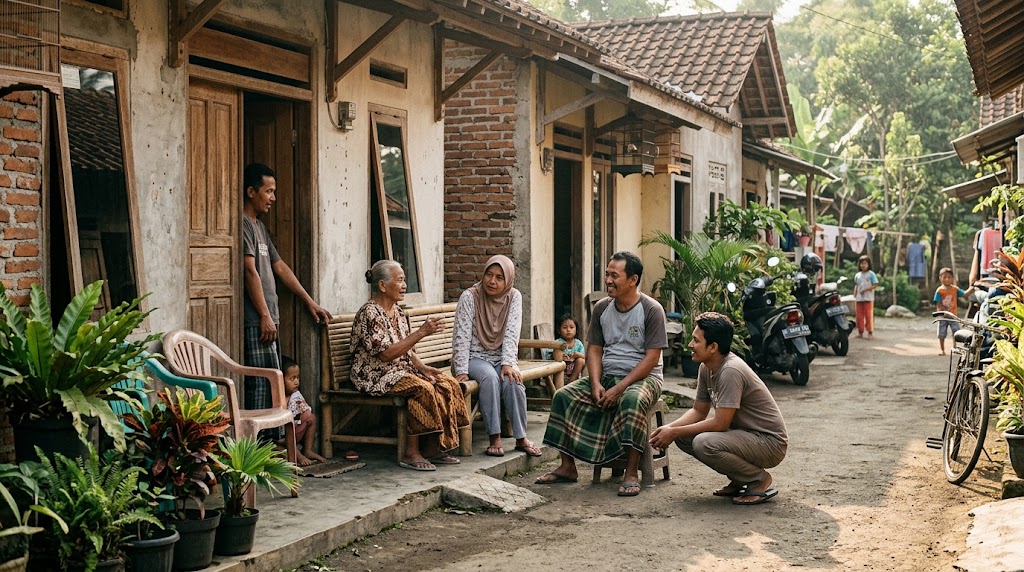
Oral history serves as the living archive of any community. Older generations hold invaluable memories regarding local architecture changes, traditional farming techniques, festive celebrations, and forgotten community struggles. When researchers and enthusiastic locals sit down to record these personal accounts, they safeguard fragments of history. Consequently, written documents often overlook these vital details.
- Conducting Conversational Interviews: Approach local elders with genuine curiosity. Ask open-ended questions about their childhood games, traditional recipes, and local landmarks.
- Recording and Archiving: Use reliable digital voice recorders or smartphone applications to capture audio files. As a result, future generations can hear authentic regional dialects and storytelling tones.
- Validating Family Anecdotes: Cross-reference personal stories with local municipal archives. This process helps place individual recollections into a broader historical timeline.
2. Unearthing Architectural Secrets and Forgotten Landmarks
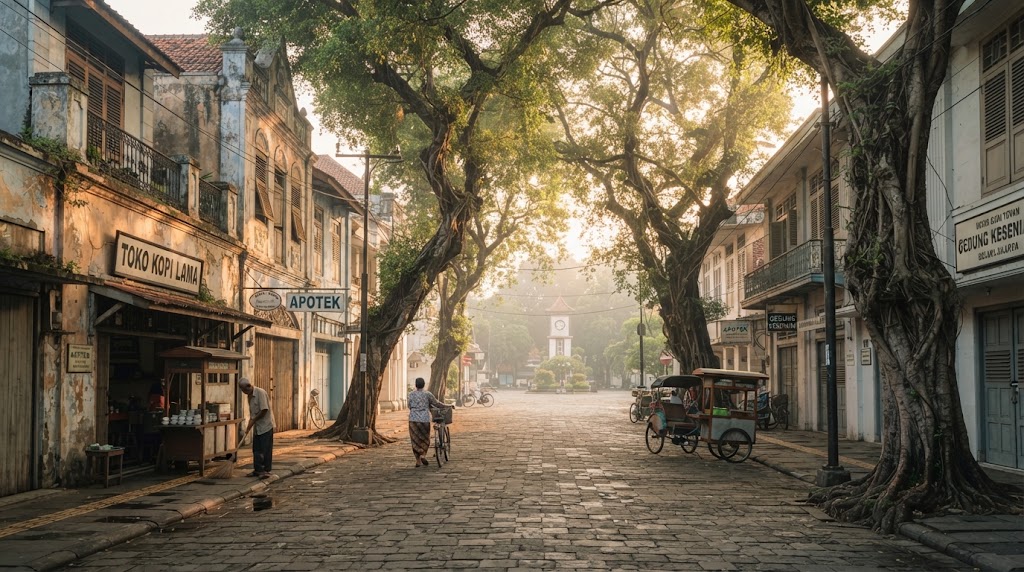
Every old building, cobblestone alleyway, and weathered monument whispers tales of bygone eras. Architectural styles, construction materials, and street names reveal shifting economic landscapes, colonial influences, or industrial revolutions. These factors shaped local towns over centuries. Walking through historic districts with an observant eye transforms a casual stroll into an archaeological adventure.
- Studying Historic Maps: Compare vintage town maps from a century ago with modern satellite layouts. By doing this, you can identify lost pathways, old market squares, and relocated rivers.
- Interpreting Plaque Markers: Read historical plaques installed on heritage buildings. Specifically, this helps you understand which notable historical figures lived, worked, or gathered there.
- Photographing Craftsmanship Details: Document unique ironwork, decorative masonry, and ancestral carvings. Meanwhile, modern urban renewal projects might alter historic facades in the future.
3. Culinary Traditions: Tasting Regional History Through Food
Food represents one of the most accessible and delicious gateways into local cultural heritage. Traditional regional dishes carry stories of immigration, indigenous agriculture, spice trade routes, and seasonal survival strategies. Furthermore, preparing an authentic generational recipe connects contemporary food lovers directly to the daily lives of their ancestors.
- Documenting Secret Family Recipes: Write down precise ingredient proportions, cooking techniques, and festive storytelling customs associated with traditional holiday feasts.
- Visiting Historic Markets: Explore old municipal food markets where local farmers and independent vendors sell heirloom produce. Moreover, you can find regional specialties unique to the province.
- Understanding Ingredient Origins: Research how specific spices, grains, or preservation methods arrived in the region through historic trade or migration waves.
4. Grassroots Preservation: How Communities Protect Their Heritage
Safeguarding local folklore and historic landmarks requires active community participation rather than passive governmental oversight. Grassroots preservation initiatives empower residents to take pride in their unique regional identity. In addition, these projects prevent valuable traditions from fading into obscurity.
- Establishing Community Museums: Create small volunteer-run exhibition spaces showcasing antique tools, historical photographs, and traditional textiles donated by local families.
- Hosting Cultural Storytelling Nights: Organize local gatherings where community members share regional myths, ghost stories, and generational folklore around a communal campfire or hall.
- Digital Mapping Projects: Build collaborative online archives. Users can pin historic photographs, oral interview clips, and folklore locations to an interactive digital map.
Essential Tips to Start Your Own Local History Research
To ensure your journey into uncovering regional heritage remains organized, respectful, and deeply rewarding, keep these practical research habits in mind:
- Visit Local Public Libraries: Dive into basement archives, regional newspaper microfilm collections, and unpublished manuscript files accessible only through community libraries.
- Respect Cultural Boundaries: Always seek explicit consent when recording personal oral histories or photographing sacred community gathering spaces and rituals.
- Share Your Findings: Publish your discovered stories on community blogs, local history magazines, or social media pages. Consequently, you will inspire civic pride among younger generations.
Conclusion
Uncovering local stories and preserving cultural heritage bridges the gap between past generations and our modern digital society. From recording priceless oral histories and studying historic architecture to savoring generational recipes and supporting grassroots archives, every effort safeguards our collective identity. Approach your hometown or travel destinations with an inquisitive spirit and a deep appreciation for forgotten narratives. Start your local history exploration today and discover the timeless tales waiting right in your backyard.