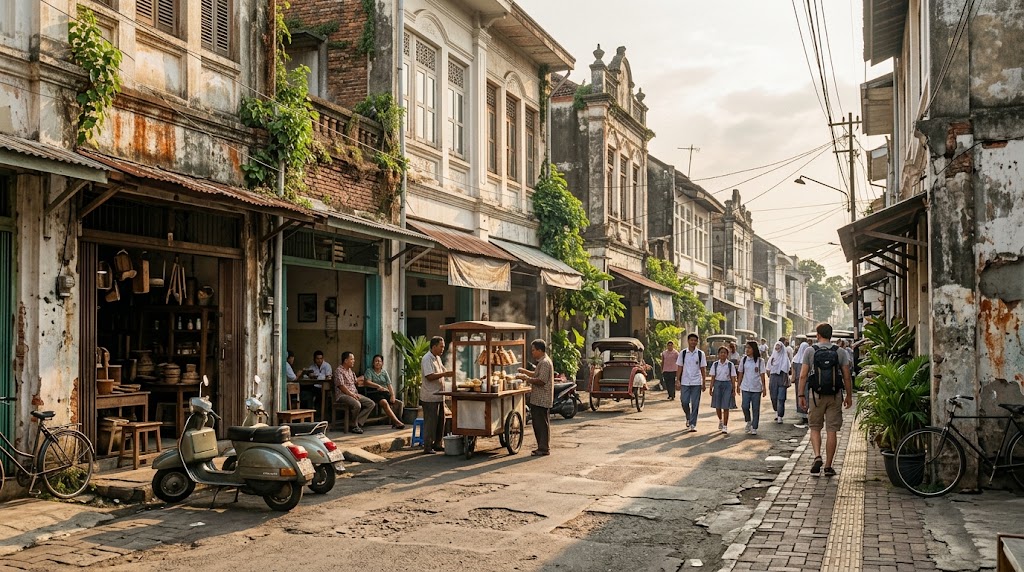
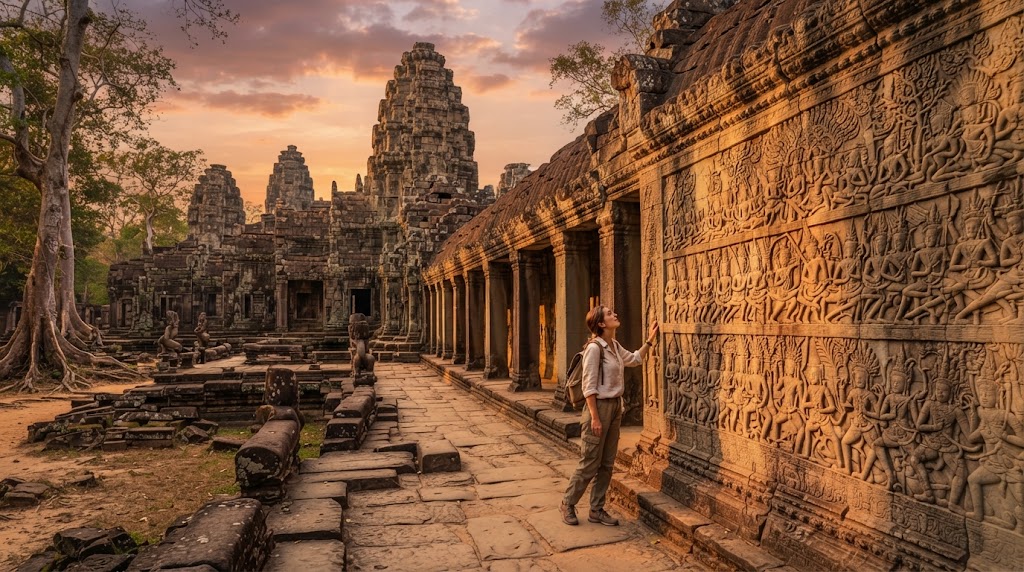
You can journey across time and continents to discover the magnificent cultural heritage and ancient traditions that define human history. Therefore, you must appreciate the architectural wonders, sacred rituals, and generational wisdom preserved by diverse global communities. Although modern globalization standardizes much of our daily lives, unique historical roots continue to ground our collective identity. Thus, you should review this comprehensive summary of global cultural heritage.
This comprehensive article explores ancient architectural marvels, intangible customs, and modern preservation efforts for historical landmarks. The author also provides practical guidance so you can independently engage with world heritage appreciation. Let us examine the core pillars of cultural exploration below.
1. Uncovering Ancient Architectural Wonders and Historical Sites
You can examine breathtaking historical monuments that stand as enduring testaments to the engineering brilliance of past civilizations. In alignment with this goal, ancient temples, castles, and ruins reveal sophisticated societal structures and artistic mastery.
- Study Structural Design Techniques: You can analyze how ancient builders erected massive stone structures without modern mechanical equipment.
- Visit Protected World Heritage Sites: You must recognize that international preservation initiatives safeguard these fragile monuments for future generations.
Nevertheless, environmental pollution and mass tourism threaten the physical integrity of numerous historical landmarks. Furthermore, sustainable tourism management plays a crucial role in monument protection.
2. Participating in Traditional Festivals and Seasonal Rituals
You can immerse yourself in vibrant cultural celebrations that mark seasonal shifts, agricultural milestones, and historical anniversaries within communities. As evidence, ancestral festivals bring families together through rhythmic dances, traditional garments, and ceremonial feasts.
- Observe Indigenous Ceremonial Practices: You can witness sacred rituals performed to honor harvest seasons or spiritual guardians.
- Taste Heritage Culinary Delights: You must sample traditional dishes prepared strictly according to centuries-old recipes during festive gatherings.
Additionally, vibrant community festivals foster social cohesion and transmit intangible heritage to younger participants. Consequently, cultural continuity thrives despite rapid societal changes.
3. Preserving Endangered Languages and Linguistic Roots
You can appreciate the profound connection between native languages and the ecological wisdom embedded within specific cultural groups. Anthropological studies demonstrate that every lost language erases unique concepts regarding human existence and nature.
- Support Community Language Programs: You can contribute to initiatives that record native vocabulary spoken by elderly community members.
- Read Translated Folklore Texts: You must explore bilingual publications that bring indigenous poetry and stories to global readers.
Nonetheless, dominant global languages accelerate the decline of minority dialects across various continents. Therefore, active linguistic documentation is urgently needed.
4. The Role of Museums and Digital Archives in Heritage
You can access priceless historical artifacts and ancient manuscripts through modern museum exhibitions and virtual digital archives. As a result, geographical distance no longer limits anyone from studying ancient human history.
- Explore Virtual Museum Galleries: You can examine high-resolution digital scans of historical artifacts from the comfort of your home.
- Support Local Heritage Museums: You must visit regional exhibition spaces that protect community-specific historical items.
Next, utilize educational multimedia resources to deepen your understanding of global historical timelines. In addition, digital preservation prevents total loss from unforeseen disasters.
5. Engaging in Responsible Heritage Travel
You can plan meaningful journeys that prioritize cultural respect, historical education, and financial support for local heritage custodians. Hence, mindful travel transforms tourism into a powerful tool for cultural exchange.
- Hire Local Certified Guides: You can learn authentic historical accounts narrated directly by residents of the historic region.
- Follow Preservation Etiquette: You must obey photography restrictions and artifact protection rules at every historical site.
Nevertheless, ensure your travel footprint respects local customs and minimizes wear on delicate historical structures. Above all, respectful engagement honors the creators of our shared history.
Tips for Documenting Cultural Heritage
You can initiate your own journey of exploring and recording global cultural heritage through several practical preparation steps:
- Maintain a Detailed Heritage Journal: You should record architectural observations and cultural insights during your historical explorations.
- Research Historical Backgrounds Prior to Visiting: You must study foundational histories to fully grasp the significance of monuments you encounter.
Conclusion
This guide on cultural heritage proves that exploring ancient traditions deepens our connection to global human history. Starting from architectural wonders, festive rituals, endangered languages, digital archives, to responsible travel, every step honors our past. Ultimately, let us safeguard these priceless treasures for generations yet to come!