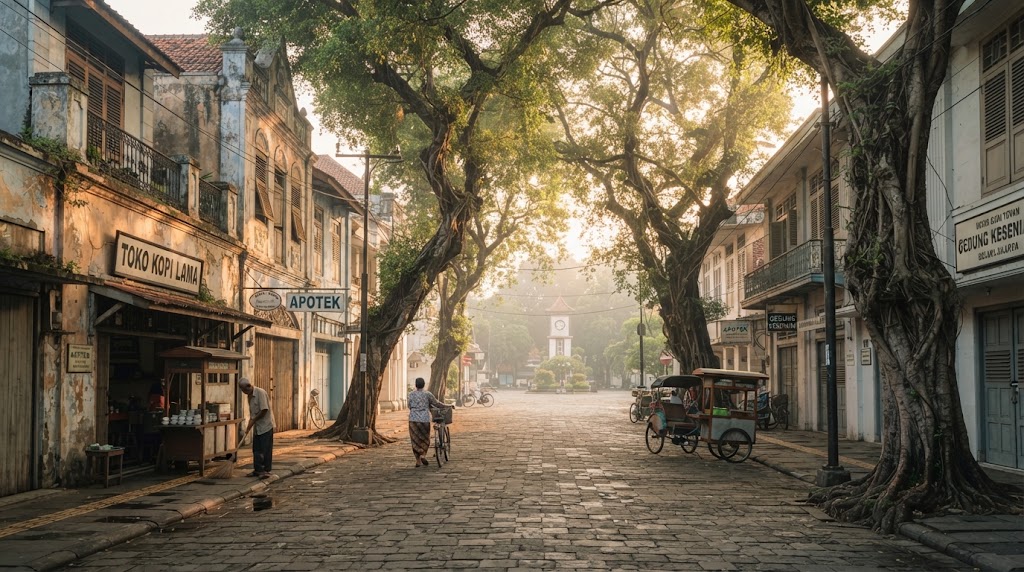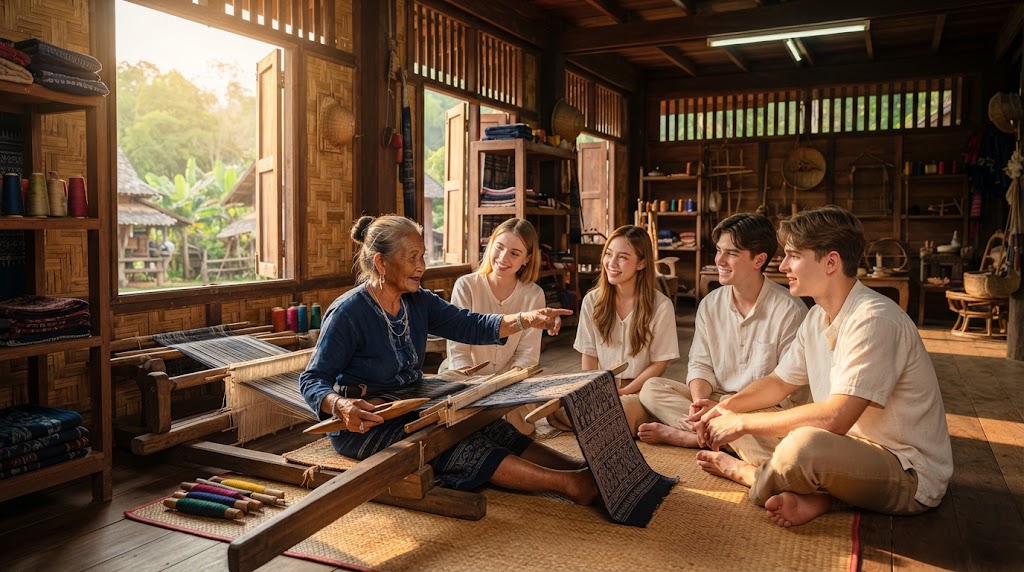
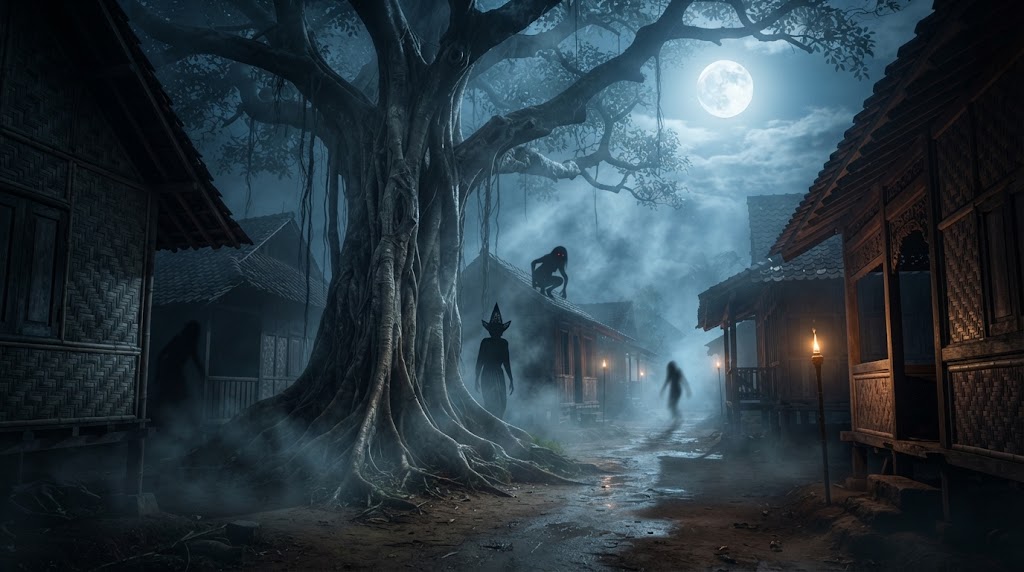
Indonesia boasts a rich tapestry of cultural heritage, vibrant traditions, and breathtaking landscapes across thousands of islands. Beneath this vibrant cultural surface lies a chilling realm of dark folklore, ancient superstitions, and terrifying supernatural entities passed down through generations. Local spooky stories serve not only to entertain or frighten children into behaving, but also to explain mysterious happenings in rural villages and bustling modern cities alike. Therefore, you need to explore this fascinating compilation of famous Indonesian urban legends and spooky myths that continue to send shivers down the spine.
This comprehensive guide delves deeply into the most notorious phantom figures, haunted landmarks, and supernatural creatures rooted firmly in archipelago lore. In addition, we examine the cultural origins behind each chilling tale. Let us analyze these terrifying myths in detail below.
1. Kuntilanak: The Screaming Phantom of Expectant Mothers
Among all supernatural entities inhabiting Southeast Asian folklore, the Kuntilanak stands out as arguably the most recognizable and feared female ghost. According to traditional belief, this terrifying spirit originates from a woman who died tragically during childbirth or pregnancy.
- Physical Appearance: Legends describe her wearing a flowing white dress with long, messy black hair concealing her face, hovering slightly above the ground rather than walking.
- Behavioral Traits: Her terrifying signature laugh echoes loudly through the night air; a soft giggle indicates she resides nearby, whereas a loud cackle means she sits close by.
Villagers traditionally believe that driving a sharp iron nail into the top of a Kuntilanak’s head or directly into a large tree where she dwells subdues her evil powers. Furthermore, folklore warns pregnant women to carry sharp metallic objects for protection.
2. Pocong: The Bound Shroud Wraith
The Pocong represents a distinctly terrifying traditional ghost tied directly to Islamic burial customs practiced widely throughout the Indonesian archipelago. When gravediggers forget to untie the cloth knots securing a corpse’s shroud before sealing the grave, the trapped soul returns to seek release.
- Physical Appearance: This entity wears a completely white burial shroud tightly wrapped around the body, leaving the decayed face visible through the open top section.
- Movement Style: Because the burial wraps bind its legs tightly together, the wraith cannot walk normally and instead hops around stiffly like an oversized rabbit.
Witnessing a Pocong hopping down a dark village lane at midnight strikes immediate terror into local residents. In addition, traditional beliefs state that stepping directly into its hopping path unleashes immense misfortune.
3. Sundel Bolong: The Woman with the Hollow Back
Another legendary female specter ingrained deeply in popular culture is the Sundel Bolong, known widely for her distinct physical deformity and vengeful nature. Folklore dictates she was a woman murdered violently while pregnant out of wedlock, returning to seek retribution against wrongdoers.
- Physical Appearance: She appears as a stunning woman from the front, but turning her around reveals a gaping, hollow cavity running entirely through her back.
- Behavioral Traits: She frequently haunts rural streets at night, targeting lone men while concealing her horrifying hollow back behind flowing long hair.
Indonesian horror cinema popularized this spirit globally through classic cinematic adaptations during the late twentieth century. Consequently, locals maintain high vigilance when walking past abandoned houses or dense bamboo groves after dark.
4. Jenglot: The Mysterious Miniature Mummy
Unlike ethereal phantoms that vanish into thin air, the Jenglot manifests as a physical, doll-like artifact resembling a mummified human body shrunk down to miniature proportions. Collectors and paranormal enthusiasts often display these bizarre objects inside glass cases.
- Physical Features: Standing only a few inches tall, the creature features sharp fangs, claw-like fingernails, and long, human-like hair that reportedly continues growing slowly.
- Superstitious Beliefs: Owners claim the creature requires regular offerings of drops of fresh human blood to remain dormant and grant supernatural protection.
Scientific analysis consistently exposes these mystical artifacts as clever historical fabrications constructed from animal bones, resin, and synthetic hair. Nonetheless, superstitious locals continue attributing supernatural powers to them.
5. Leyak: The Shape-Shifting Practitioner of Black Magic
Rooted deeply in the mystical traditions of Bali, the Leyak is not technically a ghost, but rather a human practitioner of dark sorcery who utilizes forbidden magic. By day, these individuals appear as normal villagers, but darkness transforms their supernatural existence.
- Transformation Abilities: Practitioners detach their internal organs from their physical bodies, flying through the night sky as glowing, disembodied floating heads accompanied by trailing entrails.
- Malevolent Purpose: They seek out pregnant women or newborn infants to consume their life force, terrorizing local communities seeking spiritual balance.
Balinese Hindu culture maintains elaborate purification rituals and protective spiritual boundaries to ward off malevolent sorcery. Moreover, traditional offerings keep dark entities at bay.
Essential Tips for Exploring Indonesian Folklore Safely
Delving into the spooky myths and urban legends of Indonesia requires profound respect for local customs, sacred geography, and traditional beliefs:
- Respect Sacred Spaces: You should always maintain polite behavior and quiet decorum when visiting ancient temples, royal tombs, or designated haunted heritage sites.
- Listen to Local Elders: Travelers must heed local warnings regarding restricted forest zones or beaches where supernatural entities allegedly reside.
- Acknowledge Cultural Context: You must view these chilling legends as vital expressions of local storytelling heritage rather than mere entertainment.
Conclusion
Exploring famous Indonesian urban legends and spooky myths provides a captivating window into the mystical belief systems shaping cultural identities across the tropical archipelago. Ranging from the terrifying Kuntilanak and hopping Pocong to the eerie Sundel Bolong and shape-shifting Leyak, each haunting tale preserves ancient ancestral anxieties. You can deepen your cultural appreciation by respecting these captivating stories passed down through generations. Preserve your curiosity and enjoy uncovering the endlessly fascinating folklore of Indonesia.