
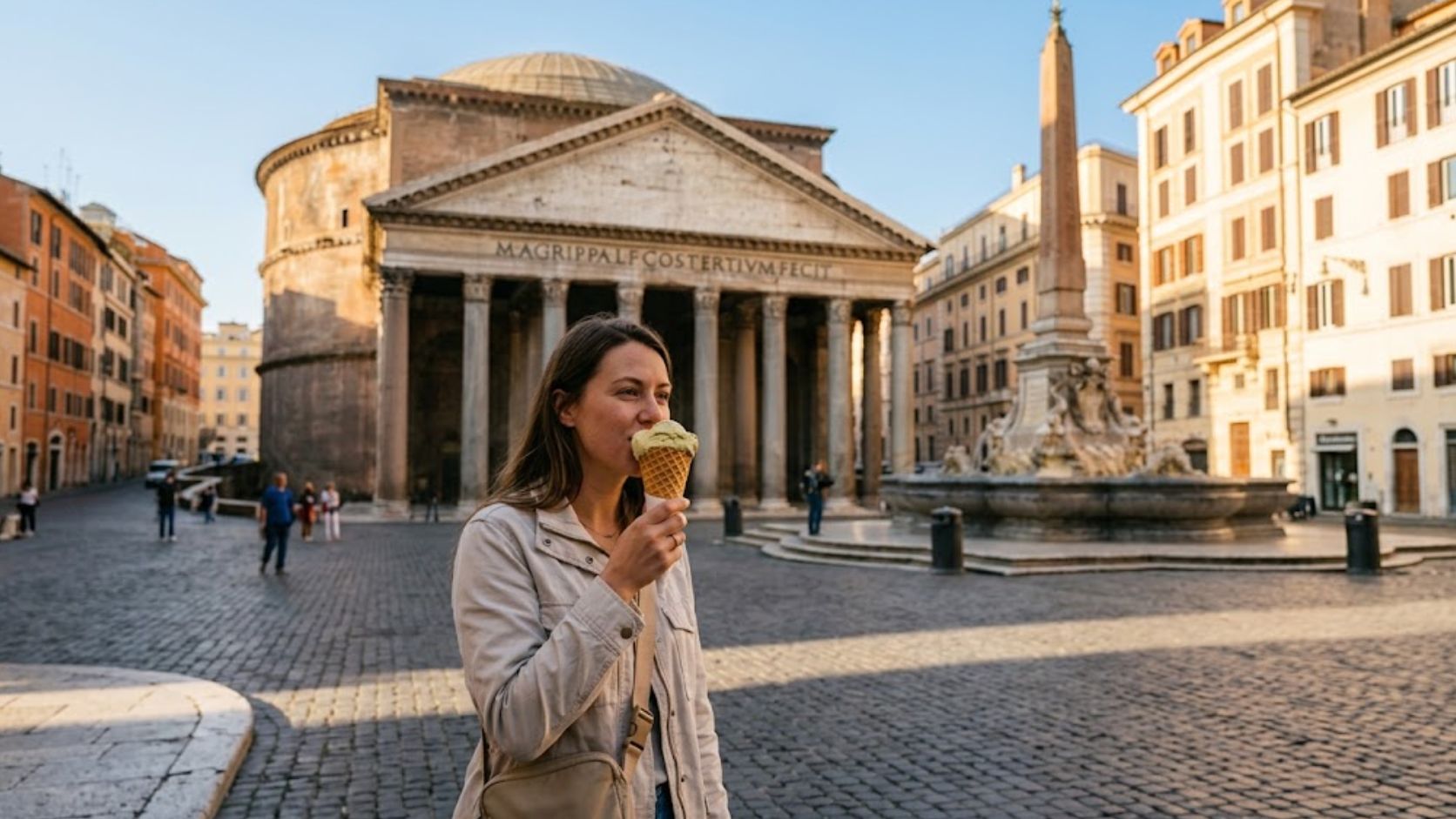
Stepping into the Eternal City feels like opening a living textbook of Western civilization. Consequently, travelers from all corners of the earth dream of walking the ancient flagstones of the Roman Forum and marveling at the soaring dome of the Pantheon.
However, arriving unprepared in the Italian capital can quickly turn an inspiring dream into an exhausting test of patience. In fact, endless ticket queues, aggressive street peddlers, and overpriced tourist restaurants catch millions of unsuspecting visitors off guard every year.
Fortunately, navigating this magnificent metropolis does not require luck; it requires smart preparation and local know-how. Therefore, following a dependable Rome first time guide is the most effective way to protect your time, your budget, and your peace of mind.
Through this practical handbook, you will master the art of booking timed entry tickets, identify authentic artisan gelato, sidestep common urban traps, and experience Rome with confidence.
The Timed-Entry Blueprint: How to Skip Soul-Crushing Lines
Standing in line under the scorching Mediterranean sun is one of the quickest ways to ruin your Roman holiday. Fortunately, major heritage sites now operate strict digital reservation systems that eliminate hours of waiting if you plan ahead.
1. The Colosseum, Roman Forum, and Palatine Hill
The monumental amphitheater remains Rome’s most sought-after attraction, meaning tickets sell out weeks in advance on official booking portals.
- First, never purchase admission from random scalpers loitering outside the metro station.
- Instead, book official timed-entry slots online well before your departure date.
- Moreover, opt for a combined ticket that includes the Roman Forum and Palatine Hill.
- If Colosseum slots are fully booked, enter through the quieter Forum entrance along Via dei Fori Imperiali to explore the ancient ruins while checking for last-minute cancellations online.
2. The Vatican Museums and St. Peter’s Basilica
The Vatican houses thousands of irreplaceable artistic treasures, culminating in Michelangelo’s breathtaking Sistine Chapel ceiling.
- Initially, reserve the earliest morning entry slot available, preferably between 8:00 AM and 8:30 AM.
- Consequently, you will glide through security checkpoints before the massive mid-day tour groups arrive.
- Remember, entry to St. Peter’s Basilica itself is completely free of charge.
- Therefore, avoid paying unauthorized third-party street vendors who claim that you need a costly commercial pass just to enter the main basilica.
3. The Pantheon: Rome’s Architectural Marvel
For centuries, visitors walked freely into this ancient temple turned church. However, municipal authorities now require an official timed entry ticket for visits on weekends and holidays.
- Book your weekend time slot several days ahead of your planned visit.
- Additionally, arrive fifteen minutes before your allocated time window with your digital confirmation ready on your phone.
- As a result, you will walk past the long standby queue and enter the magnificent rotunda without delay.
The Connoisseur’s Rulebook: Savoring Real Artisanal Gelato
Sampling creamy Italian gelato is an essential ritual for any trip to Rome. Nevertheless, many colorful shopfronts along tourist thoroughfares sell mass-produced powder mixtures loaded with artificial emulsifiers.
To ensure you taste genuine, freshly churned gelato (gelato artigianale), look for these visual markers:
- Watch the Color Tones: Real pistachio gelato looks dull, earthy, and brownish-green, rather than fluorescent bright green. Similarly, banana gelato should look grayish-white, not canary yellow.
- Beware the Giant Mountains: High-quality gelato melts easily at room temperature. Therefore, if gelato is piled into massive, towering waves that defy gravity, it contains heavy vegetable fats and stabilizing chemicals.
- Look for Metal Lids (I Pozzetti): The most traditional, uncompromising gelaterie store their churned creations inside deep stainless steel wells sealed with round metal lids to maintain an exact temperature.
- Check the Ingredient Card: Italian law requires authentic gelaterias to display an ingredient list (lista degli ingredienti). Spotting simple natural components like fresh whole milk, eggs, cane sugar, and seasonal fruit guarantees superior quality.
4 Classic Roman Tourist Traps and How to Sidestep Them
Rome is a safe European capital, but tourist-dense zones harbor crafty schemes designed to separate travelers from their cash. By understanding how these traps operate, you can easily brush them off and keep moving.
1. The “Free” Friendship Bracelet or Rose Trick
This classic interaction occurs constantly around the Colosseum, the Spanish Steps, and Piazza Navona.
- How it unfolds: A friendly stranger approaches with a welcoming greeting, compliments you, and suddenly ties a braided thread onto your wrist or hands a red rose to your partner.
- The trap: Immediately afterward, the individual aggressively demands ten to twenty euros, creating an uncomfortable public scene.
- The defense: Keep your hands in your pockets or close to your body, deliver a firm “No, grazie” without slowing your pace, and never accept items handed to you on the street.
2. “Gladiator” Photo Extortion
Costumed figures posing as ancient Roman centurions frequently linger around historical monuments.
- How it unfolds: They playfully beckon you over, place a plastic sword in your hand, and pose for a selfie on your camera.
- The trap: Once the photo is taken, they demand exorbitant sums of cash for each person in the picture.
- The defense: Admire historical reenactments from afar and politely decline any offers to pose for informal sidewalk portraits.
3. The Deceptive “Coperto” and Display Menus
Dining near major monuments often comes with unwelcome surprises on your bill.
- How it unfolds: Restaurants place persuasive greeters on the sidewalk who wave laminated menus featuring colorful photographs in five different languages.
- The trap: These establishments frequently levy hidden bread charges, steep service fees, or charge exorbitant prices per 100 grams for fresh fish without clarifying the final portion cost.
- The defense: Walk three or four blocks away from monument plazas into quiet cobblestone side streets. Seek out family-run trattorie where the menu is handwritten in Italian, and verify the bread and cover charge (pane e coperto) before sitting down.
4. Overpriced Airport Taxis
Arriving exhausted at Rome Fiumicino (FCO) or Ciampino (CIA) airport makes travelers vulnerable to transportation scams.
- The trap: Unlicensed drivers approach you inside the arrival terminal offering quick rides into town, only to charge double or triple the real cost upon arrival.
- The defense: Ignore terminal solicitations and proceed directly to the official taxi queue outside. The municipality enforces a fixed, flat-rate fare between the airports and the city center within the Aurelian Walls.
Practical Comparison: Fast-Track Prep vs. Walk-Up Visits
To help you understand why pre-planning makes a profound difference, examine the comparison table below:
| Visit Aspect | Strategic Advance Planning | Unprepared Walk-Up Visit |
|---|---|---|
| Colosseum Wait Time | 5 to 10 minutes (security check only) | 2 to 3 hours in standby queue (or sold out) |
| Vatican Museums Experience | Relaxed viewing in early morning light | Crushed inside midday high-density crowds |
| Gelato Quality | Wholesome, rich natural ingredients | Sugary, artificial powders piled with fats |
| Dining Satisfaction | Authentic Roman pasta at fair neighborhood prices | Microwaved tourist fare with hidden surcharges |
| Daily Energy Levels | High, focused, and enjoyable | Exhausted, frustrated, and overspent |
Essential Neighborhoods for an Authentic Roman Evening
Once the afternoon tour groups disperse, Rome transforms into a warm, enchanting sanctuary of outdoor dining and leisure. Make time to explore these two character-rich quarters:
1. Trastevere: Bohemian Alleys and Lively Piazzas
Located across the Tiber River, Trastevere features ivy-draped ochre buildings, narrow stone corridors, and bustling piazzas.
- Start around 6:30 PM with an aperitivo—a glass of crisp local white wine served with savory olives and cured cheeses.
- Afterward, find a quiet osteria to enjoy classic Roman pasta dishes like creamy carbonara, savory amatriciana, or zesty cacio e pepe.
- End your evening around the fountain in Piazza Santa Maria in Trastevere, soaking up the vibrant music of street performers.
2. Monti: Vintage Charm Beside the Colosseum
Nestled just a short walk from ancient ruins, Monti is a trendy residential district filled with artisanal boutiques, vintage record shops, and independent espresso bars.
- During twilight, locals gather around the Piazza della Madonna dei Monti fountain for casual conversation.
- Furthermore, the neighborhood offers an intimate, village-like atmosphere where travelers can unwind without feeling overwhelmed by souvenir stalls.
Frequently Asked Questions About Visiting Rome
First-time visitors often share similar logistical questions. Here are clear, practical answers to ensure seamless planning:
- What is the proper dress code for Roman churches? Both men and women must cover their shoulders and knees when entering religious buildings, including St. Peter’s Basilica and the Pantheon. Always pack a light scarf or shawl in your daypack to drape over your shoulders.
- Can you drink from the public water fountains? Yes, absolutely! Rome features over 2,500 historic cast-iron drinking fountains known as nasoni (big noses). The cool mountain water flowing from them is exceptionally clean, fresh, and free for refilling reusable bottles.
- How should I order coffee like a local? Drink your morning cappuccino before 11:00 AM, as Italians consider milk-heavy coffee a morning breakfast beverage that interferes with afternoon digestion. When ordering at a bar counter, pay the cashier first, present your receipt (scontrino) to the barista, and enjoy your espresso standing up.
Conclusion
Your first journey to Rome should be an unforgettable celebration of timeless art, world-class gastronomy, and joyful discovery. By using this Rome first time guide, you can easily bypass tedious queues, outsmart aggressive tourist traps, and savor authentic culinary treasures.
Therefore, leave rigid, overbooked schedules behind and explore the cobblestone alleys with confidence and curiosity. Pause to admire ancient marble fountains, enjoy velvety gelato in quiet sunlit piazzas, and let the enduring magic of the Eternal City sweep you off your feet. With thoughtful preparation and a local mindset, Rome will welcome you with open arms and reward you with memories to cherish for a lifetime.