Kyoto stands as the beating cultural heart of Japan, drawing millions of travelers each year with its timeless beauty. Consequently, visitors from across the globe flock to witness the crimson gates of Fushimi Inari and the gilded walls of Kinkaku-ji.
However, heavy tourist foot traffic can often diminish the very tranquility that people come to find. In fact, standing shoulder-to-shoulder on tour bus routes rarely provides a genuine taste of Kansai life.
Fortunately, authentic ancient charm still thrives quietly beneath the bustling surface. Therefore, following a thoughtfully curated Kyoto local visitor guide is the most rewarding way to experience the former imperial capital.
Through this comprehensive insider handbook, you will uncover crowd-free temple gardens, savor quiet alleyway cuisine, master local transit, and immerse yourself in the city’s living heritage.
The Philosophy of Exploring Kyoto Slowly
Before diving into specific neighborhoods, travelers should understand the local rhythm of Kyoto. The city developed over more than a millennium as the seat of Japanese art, imperial governance, and Zen philosophy.
Therefore, local residents deeply appreciate quiet manners, deliberate pacing, and respect for public spaces. Rather than sprinting between ten famous landmarks in a single afternoon, locals prioritize slow, sensory encounters.
For instance, sitting quietly before a raked stone garden for forty minutes often leaves a far deeper impression than snapping twenty hurried selfies. Furthermore, embracing this mindful mindset will instantly shift your perspective from that of an intrusive sightseer to a welcome, respectful guest.
4 Secret Sanctuaries to Escape the Crowds
While major travel brochures highlight identical tourist hotspots, Kyoto hides over two thousand temples and shrines across its wooded foothills. As a result, you can easily swap congested queues for serene contemplation by choosing lesser-known sanctuaries.
1. Otagi Nenbutsu-ji: The Temple of 1,200 Whimsical Statues
Most visitors crowd into central Arashiyama to walk through the famous bamboo grove. Nevertheless, a short bus ride further up the northern hills brings you to Otagi Nenbutsu-ji.
- First, you will encounter over 1,200 moss-covered stone statues (rakan) scattered across the shaded hillside.
- Interestingly, each sculpture features a completely unique face carved by sculptors from all across Japan, ranging from laughing monks to figures holding tennis rackets.
- Furthermore, the gentle breeze rustles through the surrounding cedar forests without the megaphone noise of tour groups.
- Therefore, this mountain hideaway provides a wonderfully playful, peaceful contrast to crowded commercial corridors.
2. Daitoku-ji: The Epicenter of Zen and Tea Ceremony
Rather than elbowing past crowds at Nanzen-ji, head north to the sprawling sub-temple complex of Daitoku-ji.
- Initially, this walled compound feels like an independent miniature village tucked inside the bustling modern city.
- Moreover, sub-temples like Zuiho-in and Ryogen-in house sublime dry landscape rock gardens (karesansui) bordered by ancient moss banks.
- In addition, Daitoku-ji played a pivotal historical role in developing the Japanese tea ceremony under master Sen no Rikyu.
- Consequently, sitting quietly on the wooden verandas allows you to experience genuine meditative stillness.
3. Gio-ji: A Secluded Emerald Moss Haven
Tucked deep within the western hills, Gio-ji offers an intimate natural retreat that feels like a scene from an ancient fable.
- Upon entering, you are surrounded by an astonishing carpet of vibrant green moss shaded by towering bamboo canes.
- Additionally, the small thatched-roof main hall houses a round wooden window that frames the garden like an ink painting.
- Because tour buses cannot navigate the narrow access lanes, the grounds remain remarkably peaceful throughout the day.
4. Shoren-in Monzeki: Sacred Camphor Trees and Blue Lighting
Located just a short walk from vibrant Gion, Shoren-in preserves royal connections that date back centuries.
- First, you will marvel at massive eight-hundred-year-old camphor trees guarding the temple entrance gates.
- Next, you can stroll through winding garden paths built around natural spring ponds and bamboo groves.
- During seasonal evening viewings, subtle blue illumination highlights the moss beds, creating a magical atmosphere free from daytime heat.
A Neighborhood-by-Neighborhood Local Walking Itinerary
To experience everyday urban life, you must leave the wide boulevards and wander into Kyoto’s traditional residential quarters. Here is how you can spend three enriching days exploring the city like an insider:
| Day of Exploration | Target Neighborhood | Morning Experience | Afternoon Highlights | Evening Atmosphere |
| Day One | Northern Higashiyama | Stroll along Shirakawa Canal at 7:30 AM | Sip matcha inside Murin-an villa garden | Savor craft beer along riverbanks |
| Day Two | Kamigamo & Kitayama | Browse Kamigamo Shrine crafts market | Cycle along quiet Kamo River willow paths | Savor obanzai dinner in wooden machiya |
| Day Three | Nishijin Textile Quarter | Watch silk weavers at work on handlooms | Visit historic Funaoka Onsen bathhouse | Dine at neighborhood izakaya counter |
Dining Beyond the Tourist Menus: Savoring Authentic Kyoto Cuisine
Kyoto cuisine represents one of the most sophisticated culinary traditions in East Asia. However, tourist traps often overcharge for bland sets near train stations.
To dine like a true Kansai resident, look for these authentic dining traditions:
1. Obanzai: Traditional Home-Style Comfort
Obanzai refers to native Kyoto home cooking made with seasonal heritage vegetables (Kyo-yasai) and fresh dashi stock.
- Usually, these cozy eateries display an assortment of ceramic bowls right along the counter.
- Therefore, you can simply point to marinated eggplant, simmered daikon radish, or seasoned lotus root without speaking fluent Japanese.
- Moreover, the dishes avoid heavy grease, offering gentle, balanced nourishment after a long day of walking.
2. Machiya Dining: Culinary Heritage Inside Restored Townhouses
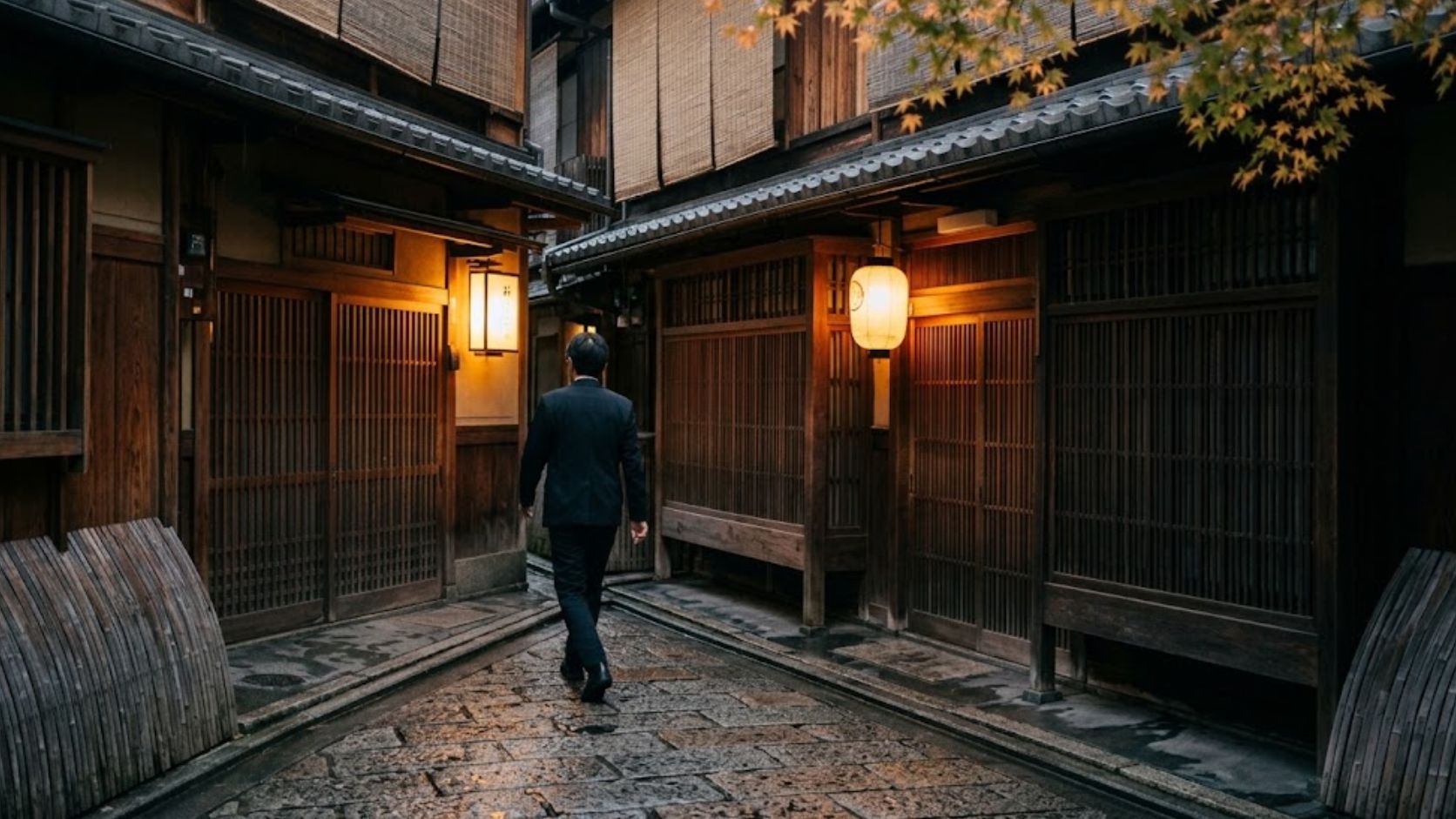
Machiya are traditional wooden merchant houses recognized by their narrow frontages, inner light courtyards (tsuboniwa), and timber lattice sliding doors.
- Today, visionary local chefs have transformed these heritage buildings into atmospheric bistros and specialty coffee roasteries.
- Consequently, you can enjoy charcoal-grilled duck or seasonal soba noodles while listening to water trickling through a stone courtyard basin.
- Always book ahead, because these intimate dining spaces often seat fewer than fifteen patrons at a time.
3. Yudofu: The Art of Simmered Kyoto Tofu
Kyoto’s legendary soft mountain water provides the ideal mineral balance for crafting exceptional silken tofu.
- Traditionally, dining at historic tofu houses involves simmering blocks of fresh tofu in light kelp broth right at your table.
- Then, you dip the warm tofu into sweet soy seasoning garnished with grated ginger and chopped scallions.
- Especially during crisp autumn mornings, yudofu warms the body and calms the mind wonderfully.
Transportation Hacks: Navigating Kyoto Smoothly
Many first-time travelers make the mistake of relying exclusively on municipal public buses. Unfortunately, city buses frequently get trapped in bumper-to-bumper traffic along major tourist corridors.
Apply these transportation strategies to travel faster, cheaper, and with far less stress:
- Rely on Underground Subways and Private Railways: Combine the Karasuma and Tozai subway lines with the Keihan and Hankyu electric railways to bypass street-level vehicle congestion.
- Rent a City Bicycle for Flat River Paths: Kyoto is exceptionally flat and laid out in an orderly grid system. Renting a city bike lets you cruise along scenic, willow-draped Kamo River trails with ease.
- Walk Early in the Morning: The most enchanting hours in historic Gion and Sannenzaka occur between 6:30 AM and 8:00 AM, long before tour coaches arrive and shops open.
- Use Cashless IC Transit Cards: Pick up an ICOCA or Suica card to tap through turnstiles and pay for street vending machines without fumbling for coins.
Crucial Cultural Etiquette for Mindful Visitors
Preserving Kyoto’s historic neighborhoods requires conscious respect from every traveler. Because local families reside directly alongside historic shrines, observing basic etiquette ensures positive interactions:
- Respect Geiko and Maiko: Never chase, corner, or touch Geiko and Maiko walking through Gion. Treat them with silent admiration from a respectful distance.
- Observe Photography Bans: Many private residential lanes in Gion and inner temple halls strictly forbid photography to protect privacy and historic art. Always look for signage before snapping photos.
- Carry Your Waste Home: Public trash cans are rare in Japanese cities. Carry a small trash bag in your daypack and dispose of waste at your hotel room.
- Step Aside When Snacking: Walking while eating (aruki-kui) is widely considered impolite in historic districts. Stand beside the shopfront to finish your snack before continuing your stroll.
Frequently Asked Questions About Visiting Kyoto
Travelers planning an authentic getaway often share similar questions. Here are clear, practical answers to common planning concerns:
- When is the best season to visit for fewer crowds?Mid-January through February offers crisp winter air, occasional dusting of snow over ancient tiled roofs, and significantly smaller crowds than spring or autumn.
- Is three days enough to see Kyoto properly?Three days covers essential regional highlights comfortably. However, spending five to seven days allows you to unpack leisurely, cycle along side streets, and take day trips to peaceful Uji or lakeside Otsu.
- Do I need cash in Kyoto?While department stores and modern hotels accept international credit cards, historic temples, quaint kissaten cafes, and neighborhood bus lines still require physical Japanese Yen coins and notes.
Conclusion
Kyoto rewards travelers who look beyond glossy brochures and travel with patience, curiosity, and cultural humility. By utilizing this Kyoto local visitor guide, you can leave congested tour bus routes behind and connect with the timeless soul of the old capital.
Therefore, trade hurried itineraries for quiet morning strolls along stone canals, listen to temple bells echo across misty hillsides, and savor honest meals inside quiet neighborhood machiya. When you step off the beaten track and explore Kyoto like a local, you discover an enchanting city that will stay in your heart forever.