Most international travelers immediately associate Japan with neon-lit Tokyo skyscrapers, serene Kyoto shrines, and bullet trains. However, the country’s diverse geography encompasses towering volcanic cordilleras, raging whitewater rivers, and subtropical island reefs. Consequently, the Japanese archipelago has emerged as one of Asia’s most versatile wilderness playgrounds. In fact, discovering thrilling things in japan provides a stark and invigorating contrast to conventional urban sightseeing.
Whether you crave carving through waist-deep alpine powder or diving into subterranean ocean currents, the island nation delivers extraordinary sensory experiences. Furthermore, Japan pairs wild natural terrain with world-renowned infrastructure and immaculate safety protocols. Therefore, adventure enthusiasts can push their physical limits without compromising on logistical reliability. Through this comprehensive guide, you will explore the most exhilarating outdoor pursuits across Japan’s untamed landscapes.
1. Carving World-Famous Powder Snow in Niseko, Hokkaido
First, winter sports aficionados consider the northern island of Hokkaido a sacred destination for winter adrenaline. Specifically, cold Siberian winds gather moisture across the Sea of Japan and deposit exceptionally dry, featherweight snow over Hokkaido’s mountains. As a result, the world-famous “Japow” (Japan powder) provides an effortless floating sensation unmatched by European or North American ski resorts.
In Niseko, adventurous skiers and snowboarders can drop into steep backcountry bowls through lift-accessible gates. Moreover, professional alpine guides lead night-skiing sessions through illuminated birch glades under gentle snowfall. In addition, you can combine backcountry tours with ascents up Mount Yotei, Hokkaido’s majestic volcanic twin of Mount Fuji. After a rigorous day of deep powder charging, you can soak exhausted muscles in natural volcanic geothermal hot springs (onsen). Thus, winter in northern Japan blends extreme athletic endurance with soothing traditional restorative rituals.
2. Conquering Raging Whitewater Rapids in Minakami, Gunma
Secondly, when mountain snowpacks melt in late spring, the mountainous region of Gunma turns into Japan’s premier whitewater hub. Located just two hours north of Tokyo, the town of Minakami serves as the epicenter for Grade IV river rafting along the roaring Tone River. During the peak spring runoff between April and June, swelling currents challenge even seasoned river runners with powerful hydraulics and technical wave trains.
Furthermore, Minakami is celebrated internationally as the birthplace of commercial canyoning in Japan. Equipped with thick neoprene wetsuits and climbing harnesses, thrill seekers hike into narrow granite ravines before leaping down crystalline waterfalls. Then, you can slide through natural smooth-rock flumes and rappel into thundering plunge pools. Because trained river guides accompany every excursion, participants navigate demanding wilderness canyons safely. Consequently, Minakami delivers an unmatched adrenaline rush against a dramatic emerald mountain backdrop.
3. Scrambling the Knife-Edge Ridges of the Northern Japan Alps
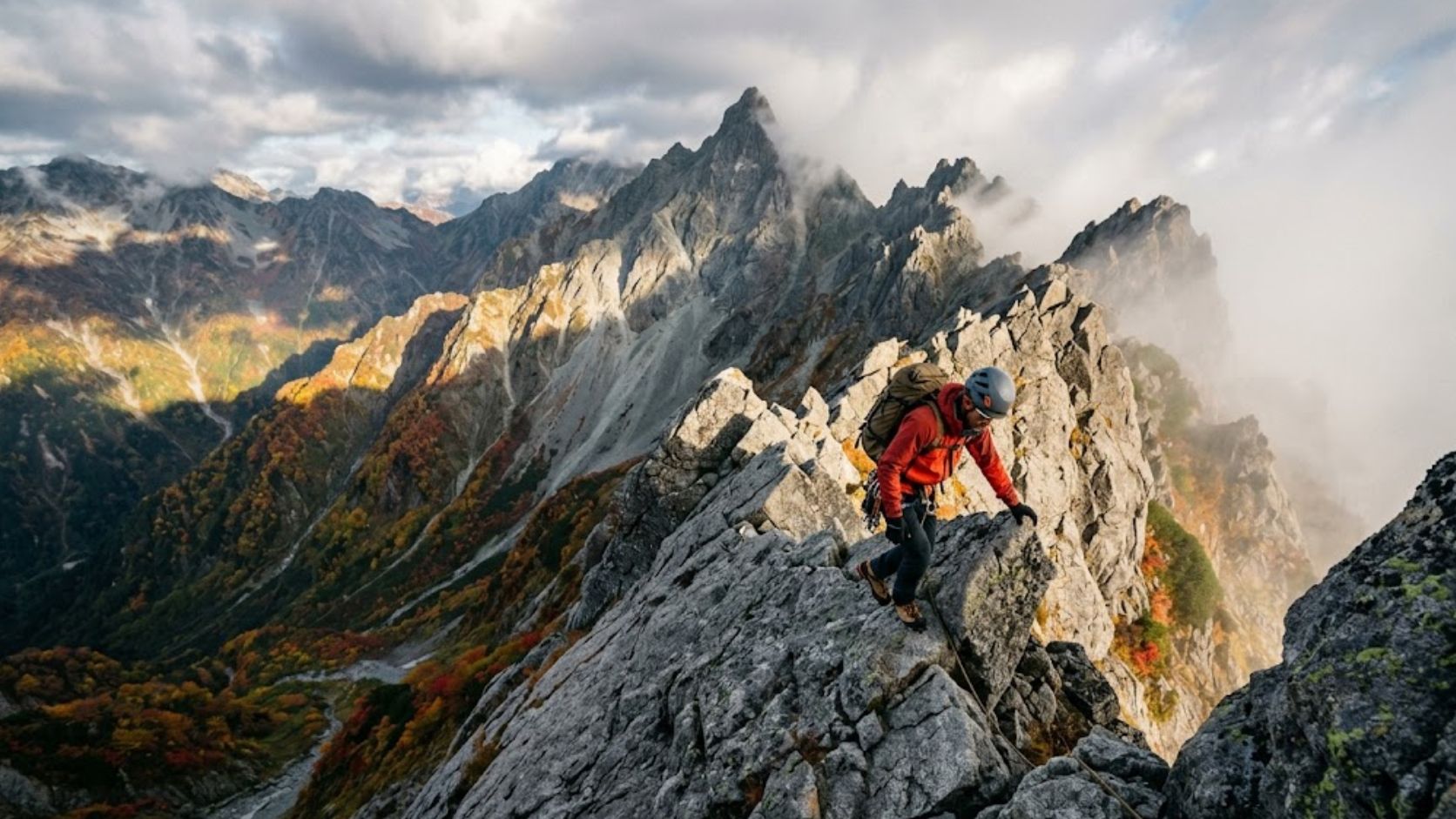
Thirdly, high-altitude trekking in Chubu Sangaku National Park presents formidable challenges for serious mountaineers. Known globally as the Northern Japan Alps, this jagged granite range features iconic peaks surpassing three thousand meters. In particular, the classic traverse between Kamikochi, Mount Hotaka, and Mount Yarigatake demands physical stamina and surefooted scrambling.
Along the infamous Daikiretto ridge, climbers navigate vertical rock steps, iron ladders, and exposed cliff chains suspended above thousand-meter drops. However, the sheer exposure rewards determined hikers with panoramic views of sea-like cloud inversions at sunrise. Additionally, well-maintained alpine mountain huts provide warm hearty meals and shelter along the rocky trails. Therefore, scaling these dramatic ridges delivers alpine drama comparable to the Swiss Alps, accompanied by distinct Japanese mountain hospitality.
4. Bungee Jumping from the Ryujin Suspension Bridge, Ibaraki
Fourthly, travelers seeking instantaneous adrenaline should head to the deep gorges of Ibaraki Prefecture. Suspended one hundred meters above the emerald waters of Lake Ryujin, the Ryujin Suspension Bridge hosts one of Japan’s highest bungee jump facilities. Before stepping onto the jump platform, participants can take in stunning views of the surrounding mountainous nature reserve.
Then, you leap headfirst into open air, experiencing four seconds of pure, terrifying terminal velocity before the elastic cords rebound. Meanwhile, wind rushes past the gorge walls while spectators cheer from the pedestrian bridge deck above. After surviving the initial plunge, an electric retrieval winch hoists you smoothly back to the platform. Consequently, this heart-pounding leap represents a bucket-list conquest for dedicated adventure junkies exploring eastern Honshu.
5. Overview: Japan’s Top Adventure Activities by Season and Thrill Level
To help you organize an adrenaline-fueled itinerary, examine the following comparison of premier outdoor expeditions:
| Adventure Activity | Prime Location | Best Operational Season | Adrenaline & Skill Level |
| Backcountry Skiing | Niseko, Hokkaido | December – March | High (Intermediate to Advanced) |
| Whitewater Rafting | Tone River, Minakami | April – June (Peak runoff) | Very High (Moderate fitness required) |
| Alpine Ridge Scrambling | Mt. Yarigatake, Japan Alps | July – October | Extreme (High stamina & surefootedness) |
| Canyon Bungee Jumping | Ryujin Gorge, Ibaraki | Year-round | Extreme (No prior experience needed) |
| Drift Scuba Diving | Yonaguni Island, Okinawa | November – May | High (Advanced diver certification) |
| Dune Paragliding | Tottori Sand Dunes | April – November | Moderate (Beginner-friendly tandem flights) |
Evidently, Japan’s seasonal shifts allow adventure enthusiasts to chase diverse outdoor sports throughout the entire calendar year.
6. Night Climbing the Volcanic Trails of Mount Fuji
Sixthly, no conversation regarding Japanese outdoor exploration is complete without addressing the country’s tallest active stratovolcano. Rising to 3,776 meters, Mount Fuji welcomes tens of thousands of summit seekers during its brief official summer climbing season. However, embarking on a midnight “bullet-climb” or overnight ascent elevates the physical endeavor into a memorable endurance test.
Starting from the fifth station at twilight, hikers trudge through loose volcanic scoria and steep switchbacks illuminated only by headlamps. As the altitude increases, the air thins noticeably, requiring steady cardiovascular pacing and hydration. Finally, reaching the crater rim just before dawn rewards climbers with the transcendent spectacle of Goraiko—the rising sun breaking over a vast sea of clouds. Undoubtedly, descending the loose scree paths in morning light cements Fuji as an enduring test of human willpower.
7. Drift Diving the Mysterious Submerged Megaliths of Yonaguni
Seventhly, ocean explorers with advanced open-water certifications should travel to Japan’s westernmost boundary in the Yaeyama archipelago. Beneath the rolling Pacific swells off Yonaguni Island lie mysterious underwater stone formations discovered in the 1980s. These massive submerged structures feature flat stepped terraces, crisp geometric right angles, and narrow stone hallways that evoke ancient architectural ruins.
Beyond the fascinating archaeological debate, Yonaguni offers world-class oceanic drift diving fueled by heavy Kuroshio currents. Furthermore, during the winter months, massive schools of scalloped hammerhead sharks gather around the stone monoliths in large pods. Because currents can be fiercely unpredictable, divers must deploy drift hooks and signal buoys with practiced precision. Consequently, descending into Yonaguni’s deep blue depths offers an exhilarating journey into true aquatic wilderness.
8. Soaring and Sandboarding Across the Tottori Sand Dunes
Eighthly, along the windswept coast of Honshu facing the Sea of Japan lies an unexpected desert landscape. Stretching across sixteen kilometers of coastline, the Tottori Sand Dunes form a surreal expanse of coastal sand dunes rising up to fifty meters high. Instead of peaceful dune walks, thrill seekers utilize these coastal cliffs as launching ramps for extreme action sports.
First, favorable sea breezes create optimal thermal lift for paragliding directly over coastal drop-offs. As you soar high above the dunes, you can witness the golden sand hills meeting the crashing blue waves of the ocean. Additionally, adrenaline lovers can rent sandboards to carve down steep forty-degree sand slopes at breathtaking speeds. Because the soft sand cushions falls safely, adventurers can attempt ambitious carves without fear of hard impact injuries. Thus, Tottori blends dune adrenaline with unique coastal topography.
9. Sea Kayaking the Remote Subtropical Caves of Iriomote
Ninthly, those seeking raw, untamed jungle exploration must venture south to the pristine island of Iriomote in Okinawa. Covered by ninety percent dense subtropical rainforest and protected mangrove estuaries, Iriomote feels worlds away from mainland Japan. Here, adventurers navigate narrow sea kayaks through winding brackish waterways beneath towering mangrove roots.
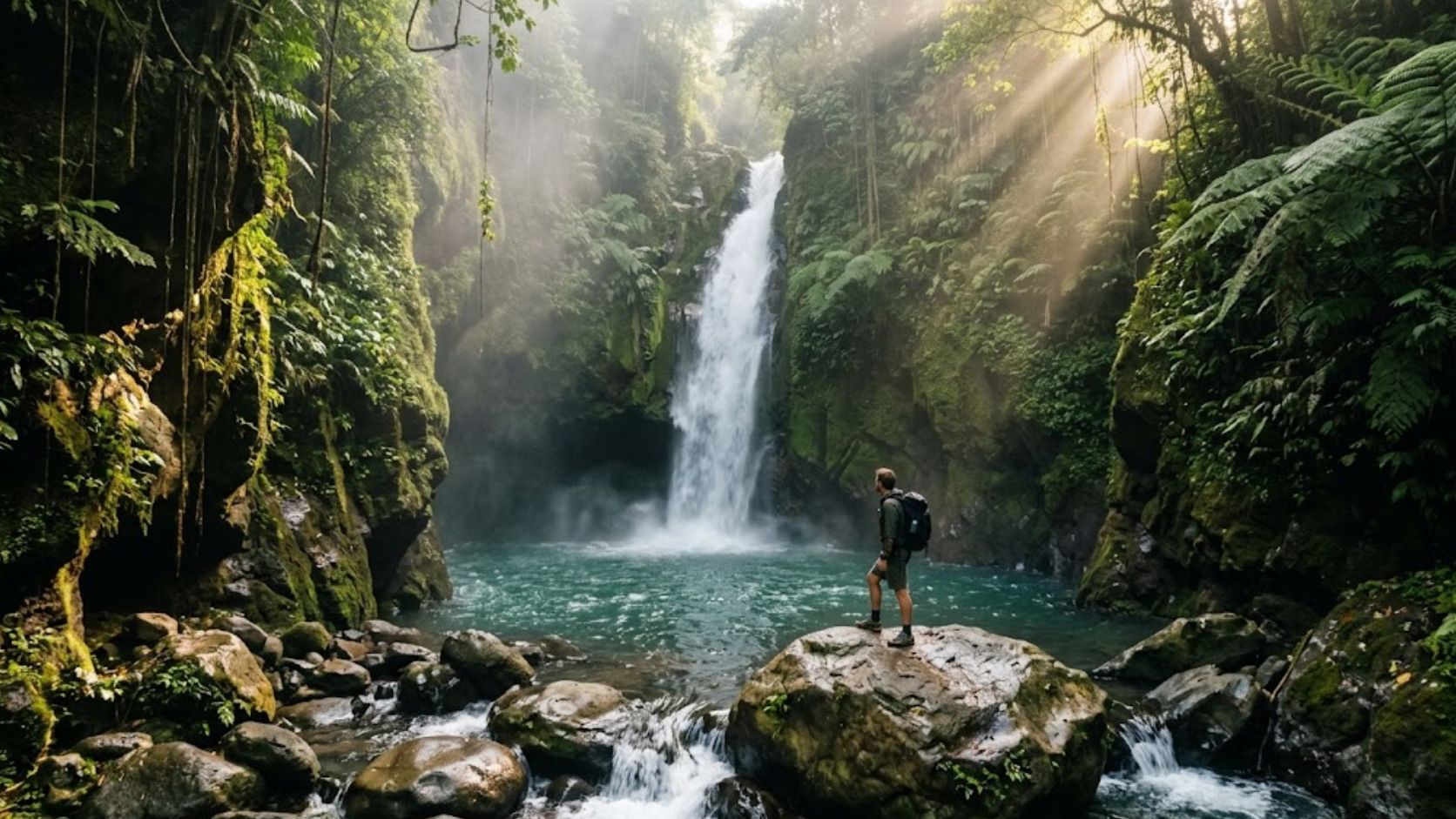
Then, you can beach your kayak to trek inland toward secluded jungle waterfalls like Pinaisara Falls. Moreover, along outer coral reefs, ocean kayakers can paddle through wave-carved limestone sea caves while looking for nesting sea turtles. Because the island strictly manages visitor density to protect endemic wildlife, you will rarely encounter other paddling groups. Therefore, Iriomote delivers an authentic, deep-wilderness expedition for self-reliant explorers.
10. Essential Guidelines for Safe Adventure Travel in Japan
Finally, engaging in high-octane outdoor pursuits across Japan requires careful preparation and respect for unpredictable mountain and marine environments:
- Secure Mountain Rescue Insurance: Always purchase comprehensive travel policies that explicitly cover extreme outdoor sports, high-altitude trekking, and helicopter evacuation.
- Submit Official Climbing Plans (Tozan-todoke): Local police departments require mountaineers to register trail itineraries at trailheads or via mobile applications before ascending alpine peaks.
- Employ Certified Local Wilderness Guides: Partnering with licensed mountain and river operators ensures proper risk management regarding avalanche conditions, river flash floods, and sudden marine currents.
- Respect Sacred Wilderness Etiquette: Many mountain ranges and coastal waterways carry deep spiritual significance in Shinto and Buddhist traditions; treat all natural landscapes with reverence.
- Monitor Real-Time Weather Bulletins: Japan frequently experiences sudden typhoons and rapid alpine temperature drops; monitor meteorological agency updates before embarking on multi-day treks.
Unleashing Your Inner Explorer in the Land of the Rising Sun
Looking past traditional sightseeing reveals that Japan is an extraordinary frontier for outdoor adrenaline. Indeed, seeking out thrilling things in japan transforms a conventional holiday into an unforgettable physical and psychological triumph. Whether you are scrambling across granite knives in the Alps, charging through deep Hokkaido snow, or diving into deep ocean trenches, the country challenges you at every turn.
Therefore, pack your technical hiking gear, step outside familiar tourist enclaves, and answer the call of Japan’s wild backcountries. Ultimately, the greatest souvenir you can bring home is not a plastic trinket, but the lingering awe of standing triumphant atop a wind-blasted volcanic summit at dawn.